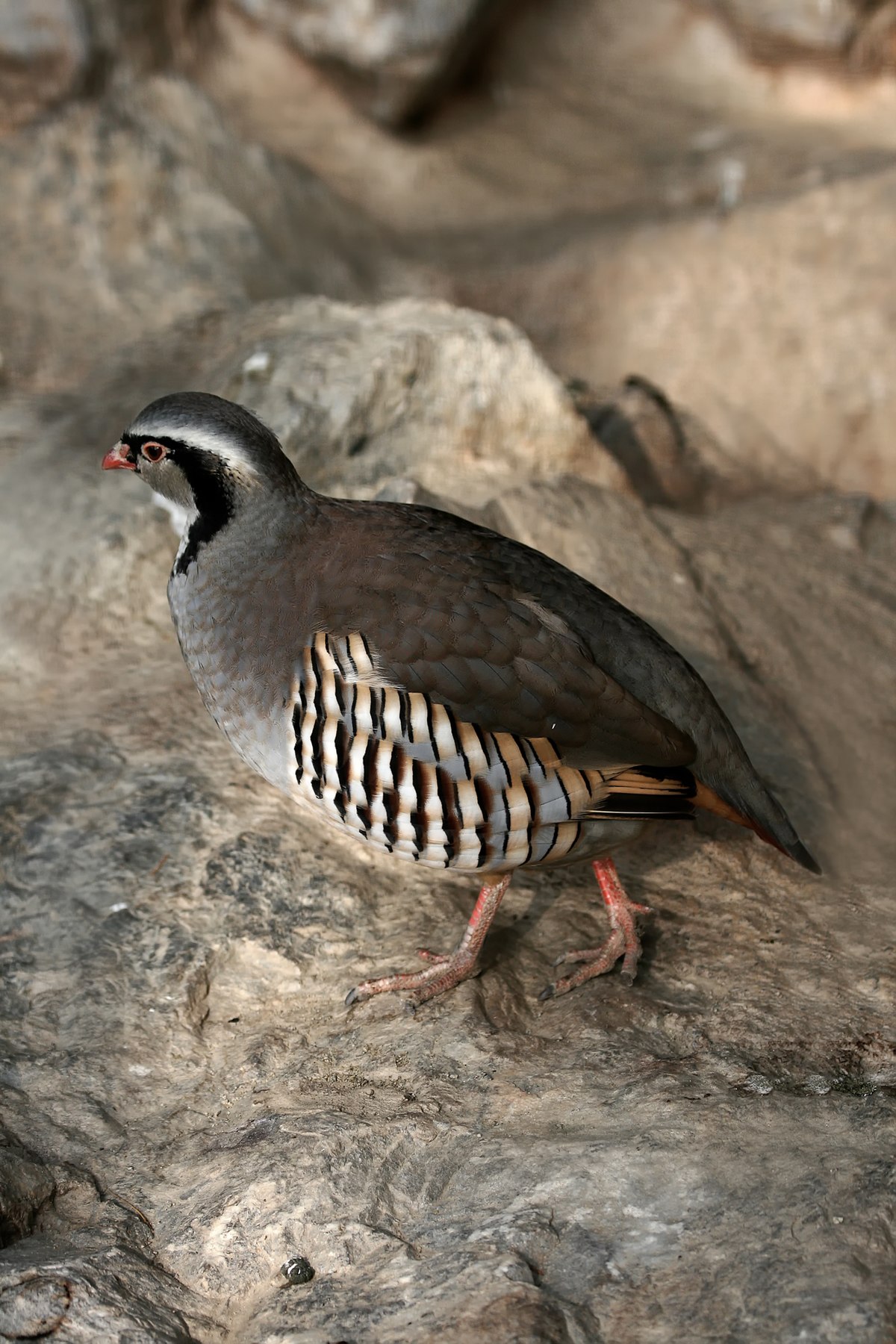
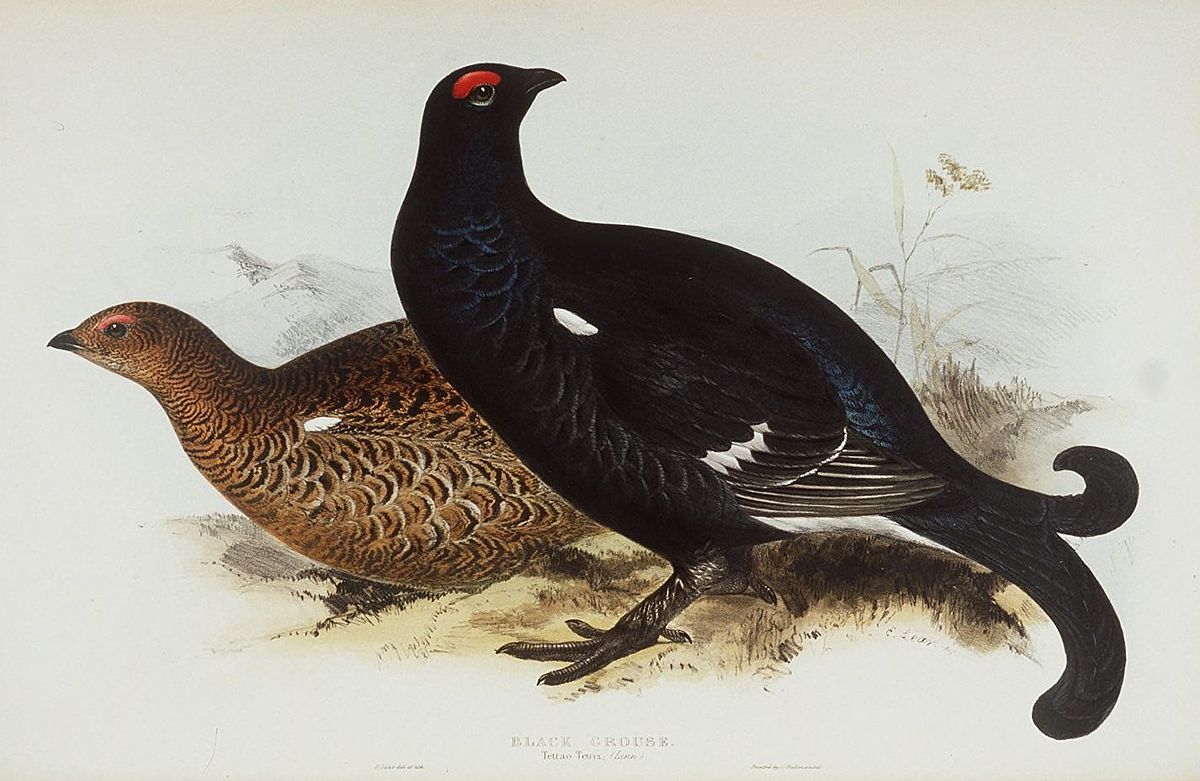
Bergvögel plus Exkursion Wildhaus
Vögel in der Systematik Insgesamt 29 Vogelarten sind inbegriffen, 18 davon schon beobachtet. Vögel nicht beobachtet bisher: Alpenschneehuhn Bartgeier Birkhuhn Mauerläufer Steinhuhn Auerhuhn Waldschnepfe Schneesperling Alpenbraunelle Haselhuhn Alpenkrähe

Klasse aves (Vögel / Birds):

Ordnung Passeriformes (Singvögel / Passerine):

Unterordnung Passeri (Sperlingsvögel):

Überfamilie Sylvioidea:
Familie Sylviidae (Grasmücken / Old world warblers):
Unterfamilie Sylviinae:
Gattung Sylvia:
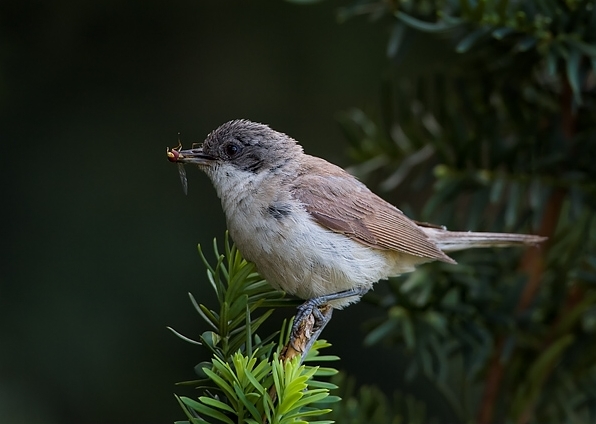
Klappergrasmücke / Lesser whitethroat (Sylvia curruca)
Alternative Klassifikation: Curruca curruca, Curruca curruca
Auch bekannt als: Zaungrasmücke
Profil Wikipedia Vogelwarte BirdLife ZH ornitho.ch bird-song.ch Xeno-Canto BirdID NABU YouTube


Wikipedia: Lesser whitethroat Quelle: WIKIPEDIA Sylvia_curruca_1_%28Martin_Mecnarowski%29.jpg
Zuerst beobachtet in 🇨🇭 an 2023-05-27.

Beschreibung

Allgemein: Wollte diese in Klettgau suchen 2023, bin darüber gestolpert bei Bad Vilbel, Deutschland.
Allgemein: Deutschland: Brut-, Zugvogel
Saisonal: Nach ihrer Ankunft im April oder Mai verrät sich diese rastlose und geschickt durch das Geäst hüpfende Grasmücke am ehesten durch ihren Gesang. Das eintönige Klappern ist weithin hörbar und hat ihr den deutschen Artnamen eingebracht. Das Männchen versucht, ein im Revier erscheinendes Weibchen durch Vorausfliegen zu einem Wahlnest zu locken. [Link]

Saisonales Verhalten

Präsenz: 04-01 - 10-07
Brut: 05-21 - 08-09
Migration rein: 04-01 - 05-31
Migration raus: 07-29 - 10-07
Weitere Infos at Vogelwarte.ch

Weitere Infos

Physikalische Details

Körperlich: Länge=12-13 cm, Flügelspanne=16-20 cm, Gewicht=10-14 g
Habitate: Landwirtschaft

Vokalisierung

Gesang: Song typically consists of two parts. An indistinct chattering and warbling, subsong-like part similar to [common] Whitethroat, which is usually followed by a dry, fast and rattling trill. The trill carries much further than the chattering part. May be difficult to identify if trill is omitted. [Link]
Gesang: Klappernd. (Müllerchen) An Berglaubsänger erinnernd. Klappertöne (5-8) Aber oft mit leisem schwatzendem Vorgesang, der fehlen kann. Kann auch an Sumpfmeise erinnern, doch sind bei dieser die Klappertöne mehr von oben her angeschlagen. [Link]

Song typically consists of two parts. An indistinct chattering and warbling, subsong-like part similar to Whitethroat, which is usually followed by a dry, fast and rattling trill. The trill carries much further than the chattering part. May be difficult to identify if trill is omitted. [Link] Gesang Eigenschaften: Melody: einfach rhythmisch, langsam, Frequency: 3-5 KHz Special sounds: Triller
Quelle: XENOCANTO XC652419 - Lesser Whitethroat - Sylvia curruca - song.mp3 (Gesang)


Rufe: „tze“ oder „tett“ [Link]
Warning call a hard "check" similar to Blackcap but slightly softer. [Link] BirdID says: Warning call a hard "check" similar to Blackcap but slightly softer

Quelle: OTHER 575779 (Ruf)

Ruf Eigenschaften: Ruf Melodie: einnotig, langsam, Frequenz: 2-7 KHz, Spezielle Klänge: stottern/kieseln.
Vollprofil

Gattung Curruca:
Gattung Hemitesia:
Gattung Graueria:
Gattung Fulvetta:
Gattung Lioparus:
Gattung Sinosuthora:
Gattung Cholornis:
Gattung Psittiparus:
Gattung Suthora:
Gattung Regulus:
Gattung Panurus:
Gattung Chamäa:
Gattung Amaurocichla:
Familie Pycnonotidae (Bulbuls):
Gattung Hypsipetes:
Gattung Andropadus:
Gattung Phyllastrephus:
Gattung Pycnonotus:
Gattung Alophoixus:
Gattung Tricholestes:
Gattung Chlorocichla:
Gattung Bleda:
Gattung Criniger:
Gattung Ixonotus:
Gattung Bäopogon:
Gattung Nicator:
Gattung Spizixos:
Gattung Calyptocichla:
Gattung Setornis:
Gattung Iole:
Gattung Ixos:
Gattung Microscelis:
Gattung Thescelocichla:
Gattung Hemixos:
Gattung Pyrrhurus:
Gattung Acritillas:
Gattung Arizelocichla:
Gattung Eurillas:
Gattung Stelgidillas:
Gattung Brachypodius:
Gattung Cerasophila:
Gattung Thapsinillas:
Familie Zosteropidae (White-eyes):
Gattung Zosterops:
Gattung Apalopteron:
Gattung Cleptornis:
Gattung Chlorocharis:
Gattung Hypocryptadius:
Gattung Lophozosterops:
Gattung Oculocincta:
Gattung Woodfordia:
Gattung Heleia:
Gattung Madanga:
Gattung Tephrozosterops:
Gattung Sterrhoptilus:
Gattung Dasycrotapha:
Gattung Megazosterops:
Gattung Zosterornis:
Familie Hirundinidae (Schwalben / Swallows):
Gattung Hirundo:
Gattung Cecropis:
Gattung Atticora:
Gattung Tachycineta:
Gattung Progne:
Gattung Stelgidopteryx:
Gattung Riparia:
Gattung Psalidoprocne:
Gattung Petrochelidon:
Gattung Ptyonoprogne:
Felsenschwalbe / Eurasian crag-martin (Ptyonoprogne rupestris)
Auch bekannt als: Eurasian crag martin
Profil Wikipedia Vogelwarte BirdLife ZH ornitho.ch Xeno-Canto NABU YouTube


6 von einige weitere Felsenschwalben in Verona. 2025-09-22 13:04:32 Quelle: OTHER 20250922_130432 6 von einige weitere Felsenschwalben in Verona.jpg Verona
Zuerst beobachtet in Verona an 2025-09-22.

Beschreibung

Allgemein: Deutschland: Brut-, Zugvogel RL R
Vokalisierung: Most heard is a House Martin-like, but less rolling, "prit" or "check". Other contact sounds include a plaintive "peeuuu". [Link]

Saisonales Verhalten

Jahresvogel
Brut: 05-10 - 09-28
Migration rein: 02-10 - 04-20
Migration raus: 08-29 - 11-06
Weitere Infos at Vogelwarte.ch

Weitere Infos

Physikalische Details

Körperlich: Länge=14 cm, Flügelspanne=32-34 cm, Gewicht=17-30 g
Habitate: Berg
Vollprofil

Gattung Pygochelidon:
Gattung Delichon:
Gattung Notiochelidon:
Gattung Pseudhirundo:
Gattung Phedina:
Gattung Haplochelidon:
Gattung Alopochelidon:
Gattung Cheramöca:
Gattung Pseudochelidon:
Familie Alaudidae (Lerchen / Larks):
Gattung Certhilauda:
Gattung Eremopterix:
Gattung Alauda:
Gattung Eremophila:
Gattung Alämon:
Gattung Ammomanes:
Gattung Galerida:
Gattung Calandrella:
Gattung Mirafra:
Gattung Lullula:
Gattung Spizocorys:
Gattung Eremalauda:
Gattung Chersophilus:
Gattung Chersomanes:
Gattung Melanocorypha:
Gattung Calendulauda:
Gattung Heteromirafra:
Gattung Pinarocorys:
Gattung Ramphocoris:
Gattung Pseudalämon:
Gattung Alaudala:
Familie Cisticolidae (Halmsänger):
Gattung Cisticola:
Gattung Prinia:
Gattung Camaroptera:
Gattung Eminia:
Gattung Hypergerus:
Gattung Scotocerca:
Gattung Schistolais:
Gattung Apalis:
Gattung Euryptila:
Gattung Rhopophilus:
Gattung Bathmocercus:
Gattung Spiloptila:
Gattung Speirops:
Gattung Artisornis:
Gattung Calamonastes:
Gattung Incana:
Gattung Urolais:
Gattung Orthotomus:
Gattung Scepomycter:
Gattung Drymocichla:
Gattung Malcorus:
Gattung Oreophilais:
Gattung Phragmacia:
Gattung Phyllolais:
Gattung Urorhipis:
Gattung Oreolais:
Familie Phylloscopidae (Laubsänger):
Gattung Phylloscopus:
Gattung Seicercus:
Gattung Rhadina:
Familie Leiothrichidae:
Gattung Leiothrix:
Gattung Garrulax (White-crested laughingthrush):
Gattung Turdoides:
Gattung Actinodura:
Gattung Cutia:
Gattung Heterophasia:
Gattung Liocichla:
Gattung Minla:
Gattung Kupeornis:
Gattung Phyllanthus:
Gattung Trochalopteron:
Gattung Montecincla:
Gattung Grammatoptila:
Gattung Laniellus:
Gattung Leioptila:
Gattung Argya:
Gattung Siva:
Gattung Sibia:
Gattung Chatarrhäa:
Gattung Chrysominla:
Gattung Ianthocincla:
Familie Bernieridae:
Gattung Cryptosylvicola:
Gattung Thamnornis:
Gattung Crossleyia:
Gattung Xanthomixis:
Gattung Hartertula:
Familie Pellorneidae:
Gattung Pellorneum:
Gattung Trichastoma:
Gattung Laticilla:
Gattung Turdinus:
Gattung Schöniparus:
Familie Locustellidae:
Gattung Locustella:
Gattung Megalurus:
Gattung Bradypterus:
Gattung Cincloramphus:
Gattung Schönicola:
Gattung Malia:
Gattung Chätornis:
Gattung Megalurulus:
Gattung Robsonius:
Gattung Elaphrornis:
Gattung Büttikoferella:
Gattung Amphilais:
Gattung Poodytes:
Familie Scotocercidae:
Gattung Horornis:
Gattung Phyllergates:
Überfamilie Passeroidea:
Familie Passeridae (Sperlinge / Sparrows):
Gattung Passer:
Gattung Plocepasser:
Gattung Petronia:
Gattung Prunella:
Alpenbraunelle / Alpine accentor (Prunella collaris)
Alternative Klassifikation: Sturnus collaris
Profil Wikipedia Vogelwarte BirdLife ZH ornitho.ch Xeno-Canto BirdID NABU YouTube


Wikipedia: Alpine accentor Quelle: WIKIPEDIA Prunella_collaris.jpg
🔍 Never observed (yet!)

Beschreibung

Allgemein: Die Alpenbraunelle (Prunella collaris) ist eine im Hochgebirge vorkommende Vogelart aus der Familie der Braunellen (Prunellidae). Die wissenschaftliche Artbezeichnung collaris weist auf die kräftig schwarz gefleckte Kehle hin.[1] [mehr]
Deutschland: Brut-, Jahres-, Zugvogel RL R

Saisonales Verhalten

Jahresvogel
Brut: 05-01 - 08-09
Weitere Infos at Vogelwarte.ch

Weitere Infos

Physikalische Details

Körperlich: Länge=18 cm, Flügelspanne=30-32 cm, Gewicht=37-43 g
Habitate: Berg

Vokalisierung

Gesang: Fast, long, chirpy
Gesang: Song is a varied stream of melodious and chattering notes, more resembling skylark than the much higher pitched Dunnock. [Link] Gesang Eigenschaften: Melody: singt 20 Sekunden oder länger, schnell, Frequency: 1-8 KHz
Quelle: XENOCANTO XC688398 - Alpine Accentor - Prunella collaris - long song recorded in France.mp3 (Gesang)


Vollprofil

Heckenbraunelle / Dunnock (Prunella modularis)
Profil Wikipedia Vogelwarte BirdLife ZH ornitho.ch bird-song.ch Xeno-Canto BirdID NABU YouTube


Heckenbraunelle singt auf Baumspitze - nicht in der Hecke. 2024-06-25 07:33:46 Mettmenalp, GL
Zuerst beobachtet in 🇨🇭 an 2020-04-16.

Beschreibung

Allgemein: Heard at Hungerseeli and near Lendikon according to BirdNET. Finally seen near Amden 2023, Mettmenalp 2024.
Allgemein: Deutschland: Brut-, Jahres-, Zugvogel, Wintergast

Saisonales Verhalten

Jahresvogel
Brut: 04-20 - 08-18
Migration rein: 03-01 - 05-01
Migration raus: 08-18 - 10-27
Weitere Infos at Vogelwarte.ch

Weitere Infos

Physikalische Details

Körperlich: Länge=14 cm, Flügelspanne=19-21 cm, Gewicht=16-25 g
Habitate: Wald

Vokalisierung

Gesang: General: High-pitched, repetitive but complex little tune, 3 seconds long with about 15 notes rising and falling, falling at the end, then 3 second pause.
Song: Melodisch, slowly rising, roughly like black-cap warbler, which I guessed in the bird-song.ch quiz. [Link]
Schnell wie ein Rotkehlchen aber nicht herunter plätschernd, hoch und runter zwischen 3 und 7 kHz. [Link]
Gesang: Singt schon im Vorfrühling. Klangfarbe ähnlich Gartenbaumläufer. Aufbau ähnlich Zaunkönig, aber ohne Triller. Viel leiser und dünner. [Link]
Song a fast and evenly paced, high pitched stream of clear notes. No consistent phrasing. Similar in timbre to Robin, but does not vary tempo or pitch nearly as much. Often compared to the sound of a squeaky wheelbarrow. [Link] Gesang Eigenschaften: Melody: stereotypisch melodisch, schnell, Frequency: 4-8 KHz Singing season: 02-15 - 07-31 Dawn chorus start: 45 minutes before dawn.
Rufe: Hohe „zi“ „tsi“. Auf dem Zug „zieht“. Etwas absinkend.. [Link]
Contact call a dry, thick trill "trrr", and a short King Fisher-like, high-pitched "zeep". [Link] Swooping staccato call 0.5 seconds long heard near Lendikon. Repeated irregularly after 1-3.5 seconds.
XC594397 - Dunnock - Prunella modularis modularis - call recorded in Poland.

Quelle: XENOCANTO XC594397 - Dunnock - Prunella modularis modularis - call recorded in Poland.mp3 (Ruf)


Ruf Eigenschaften: Ruf Melodie: einnotig, schnell, Frequenz: 5-7 KHz, Spezielle Klänge: absteigend.
Vollprofil
Gattung Anomalospiza:
Gattung Montifringilla:
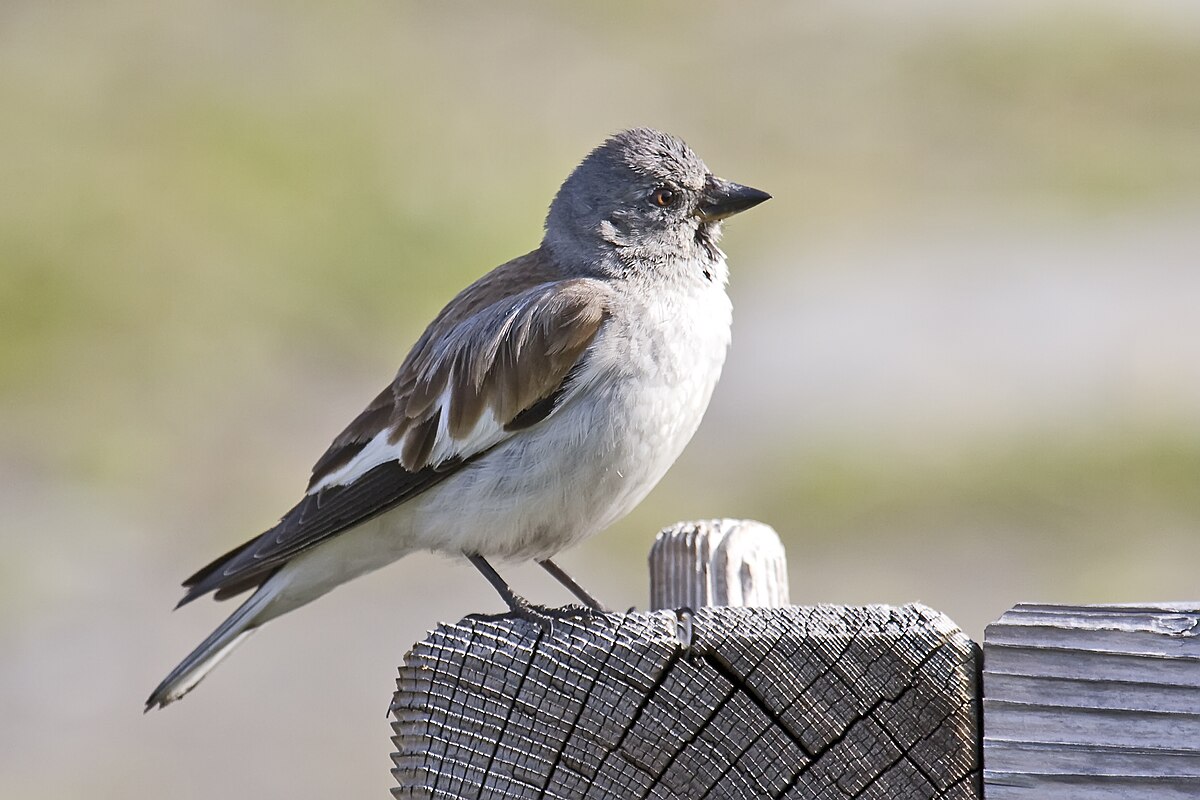
Schneesperling / White-winged snowfinch (Montifringilla nivalis)
Alternative Klassifikation: Fringilla nivalis
Profil Wikipedia Vogelwarte BirdLife ZH ornitho.ch Xeno-Canto BirdID NABU YouTube


Wikipedia: White-winged snowfinch Quelle: WIKIPEDIA 1200px-Snowfinch.jpg
🔍 Never observed (yet!)

Beschreibung

Allgemein: Deutschland: Brut-, Jahresvogel RL R
Aussehen und Identifizierung: More white and gray than other sparrows, bronw only on back (wings), v. white when flying. almost always 1500m+, eher im Süden inkl Graubünden
Vokalisierung: Rich repertoire. [Link]

Saisonales Verhalten

Jahresvogel
Brut: 05-10 - 08-09
Weitere Infos at Vogelwarte.ch

Weitere Infos

Physikalische Details

Körperlich: Länge=17 cm, Flügelspanne=34-38 cm, Gewicht=35-45 g
Habitate: Berg

Vokalisierung

Gesang: The XC song I downloaded is a faint chirping. Should follow up on song - most talk about calls.
Gesang: Song a staccato, variable phrase, consisting of short burst of sharp chattering in uneven tempo. The timbre is ringing, rich in harmonics and partly rolling. [Link] Gesang Eigenschaften: Melody: einfach rhythmisch, langsam, Frequency: 4-6 KHz
Vollprofil

Gattung Philetairus:
Gattung Aidemosyne:
Gattung Padda:
Gattung Carpospiza:
Gattung Pyrgilauda:
Gattung Gymnoris:
Familie Fringillidae (Finken):
Unterfamilie Fringillinae:
Gattung Fringilla:
Unterfamilie Carduelinae:
Gattung Serinus (Canaries):
Zitronenzeisig / Citril finch (Carduelis citrinella)
Alternative Klassifikation: Serinus citrinella
Auch bekannt als: Alpine citril finch
Profil Wikipedia Vogelwarte BirdLife ZH ornitho.ch Xeno-Canto BirdID NABU YouTube


Zitronenzeisig. 2023-05-27 09:55:48 Amden Hinder Höchi
Zuerst beobachtet in 🇨🇭 an 2023-05-27.

Beschreibung

Allgemein: Deutschland: Brut-, Jahresvogel RL 3
Aussehen und Identifizierung: Gelb wie Erlenzeisig aber kopf gelbes gesicht, grau weiter hinten

Saisonales Verhalten

Jahresvogel
Brut: 03-01 - 08-18
Migration rein: 02-20 - 05-10
Migration raus: 08-29 - 11-06
Weitere Infos at Vogelwarte.ch

Weitere Infos

Habitate: Berg

Vokalisierung

Gesang: Wild warbling of about 7 seconds
Gesang: Wikipedia sagt ähnelt dem Gesang des Stieglitzes, in Aufbau und Tonfolge auch dem Girlitz.
Gesang: Scheint nicht viel zu singen - XenoCanto hat nur 6 Seiten von Aufnahmen! Gesang Eigenschaften: Melody: singt 5-19 Sekunden, schnell, Frequency: 2-10 KHz
Quelle: XENOCANTO XC372554 - Citril Finch - Carduelis citrinella - song.mp3 (Gesang)


Vollprofil

Gattung Carpodacus:
Gattung Cardülis:
Gattung Acanthis (Redpolls):
Birkenzeisig / Common redpoll (Acanthis flammea)
Alternative Klassifikation: Acanthis cabaret, Fringilla flammea, Fringilla cabaret, Carduelis flammea
Auch bekannt als: Alpenbirkenzeisig, Alpenbirkenzeisig, Alpenbirkenzeisig, Lesser redpoll, Lesser redpoll
Profil Wikipedia eBird Vogelwarte BirdLife ZH ornitho.ch Audubon AllAboutBirds Xeno-Canto BirdID NABU YouTube


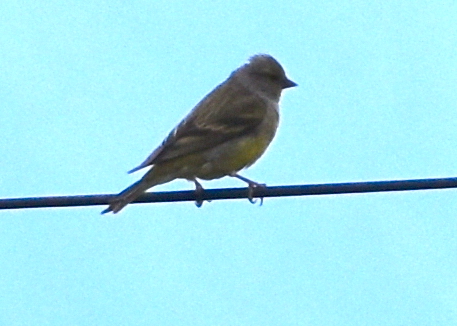
Eine Seltenheit - ein Birkenzeisig im Baum bei Binario 3 in Fehraltorf. 2025-12-04 12:09:03 Ich habe den Vogel weit weg im Baum bei Binario 3 gesehen, und war neugierig (wie immer) und habe mein 200-800mm Telefoto geschnappt. Ohne das hätte ich es nicht identifizieren können. Beim ersten Blick auf die Fotos habe ich gedacht, es könnte ein Sperling sein, aber sie sind meistens sehr sozial, und hier war nur ein Vogel hoch in dem Baum. Und vor allen die kleinen Streifen auf dem Bauch haben nicht gepasst. Das wäre eher ein Drossel. "Die Vogel App!" hat 18 Möglichkeit gefunden, aber ich bin nicht schlauer geworden. Dann habe ich MerlinBirdID gefragt, was im besten Foto erscheint, und es hat gesagt Birkenzeisig. Das war (weil es alphabetisch geordnet ist) die erste Art in der Vogel App Liste. Und bisher hatte ich einen nur einmal einen Birkenzeisig gesehen in Andermatt auf einem FOK3 Ausflug. Übrigens, bei ornitho.ch wird es Alpenbirkenzeisig genannt. Ich habe dort geschaut, ob andere in Kanton Zürich einen Birkenzeisig gesehen haben, und in den letzen Tagen ja in Winterthur, Chatzenseen und Wädenswil. Fehraltorf
Zuerst beobachtet in 🇨🇭 an 2025-06-14.

Beschreibung

Geographie: Dieser Vogel erscheint jenseits grossen Meere in Kontinenten : Europa, Nordamerika, Australien.
Allgemein: Es gibt Streit um den Namen, vor allem ob der Alpenbirkenzeisig eine Underart oder eingene Art ist. Wikipedia sagt das erste, ornitho das zweite, usw. Ich habe das Problem für mich gelöst, indem ich die Mehrheit respektiere; wenn Alpenbirkenzeisig erwähnt wird, wird es hier as Birkenzeisig gezeigt.
Allgemein: Deutschland: Zugvogel, Wintergast
Etymologie: Nachdem ich bei uns in 2025 einen Birkenzeisig gesehen, wurde ich neugierig wegen dem Namen. Der deutsche Name kommt von westschlavischen Sprachen. Google AI fasst so zusammen: Der Name "Zeisig" stammt aus dem Westslawischen abäleitet von Wörtern wie tschechisch "čížek" oder polnisch "czyżyk" (kleiner Zeisig) und wurde im 13./14. Jahrhundert ins Deutsche entlehnt, ursprünglich als "zīse" im Mittelhochdeutschen. ... Die ursprüngliche slawische Form "čižb" (Zeisig) und die Diminutivform "čižbkb" (kleiner Zeisig) sind lautmalerischen Ursprungs und spiegeln möglicherweise den Ruf des Vogels wider ähnlich dem ukrainischen "unù Bu?" (wer seid ihr?).
Etymologie: The ‘poll’ part of the English name ‘Redpoll’ refers to a old word for ‘head’. [Link]
Aussehen und Identifizierung: roter Punkt auf Kopf, sonst weiss+braun, teilweise hell-rot auf brust.
Verhalten: Trotz Ihrer roten Abzeichen sind die bräunlich-weiss gestreiften Vögel wenig auffällig, und wenn sie nicht gerade rufen, bleiben sie meist unentdeckt. Oft fliegen sie unvermittelt auf, drehen im Schwarm eine Runde und fallen wieder ein. [Link]

Saisonales Verhalten

Selten hier gesehen
Jahresvogel
Brut: 05-21 - 08-18
Migration rein: 03-01 - 05-01
Migration raus: 08-29 - 10-27
Weitere Infos at Vogelwarte.ch

Weitere Infos

Physikalische Details

Körperlich: Länge=11-14 cm, Flügelspanne=20-25 cm, Gewicht=9-16 g
Habitate: Berg

Vokalisierung

Gesang: A few chirps and a trill, then repeat.
Gesang: Song an improvised chattering on various contact calls with no apparent phrasing. [Link] Gesang Eigenschaften: Melody: einfach rhythmisch, schnell, Frequency: 2-6 KHz Special sounds: Triller
Vollprofil
Gattung Pyrrhula:
Gattung Coccothraustes:
Gattung Loxia:
Gattung Eophona:
Gattung Hämatospiza:
Gattung Mycerobas:
Gattung Pinicola:
Gattung Uragus:
Gattung Leucosticte:
Gattung Linurgus:
Gattung Neospiza:
Gattung Melamprosops:
Gattung Pyrrhoplectes:
Gattung Hesperiphona:
Gattung Kozlowia:
Gattung Hämorhous:
Gattung Spinus (Siskins):
Erlenzeisig / Eurasian siskin (Spinus spinus)
Alternative Klassifikation: Carduelis spinus, Carduelis spinus
Auch bekannt als: Erlenzeisige
Profil Wikipedia Vogelwarte BirdLife ZH ornitho.ch bird-song.ch Xeno-Canto BirdID NABU YouTube


Erlenzeisig beim Ortstockhaus nahe Braunwald. 2022-07-15 11:38:28 Gumen
Zuerst beobachtet in 🇨🇭 an 2021-02-12.

Beschreibung

Allgemein: Kommt auch in Nordameriak vor!
Allgemein: Deutschland: Brut-, Jahres-, Zugvogel, Wintergast
Etymologie: [A siskin giving the 'siskin' calls from which its name derives, The name siskin is derived from an adaptation of the German dialect words sisschen, zeischen, which are diminutive forms of Middle High German (zîsec) and Middle Low German (ziseke, sisek) words, with cognates in Slavic languages, such as Czech čížek; these names are all of onomatopoeic origin, derived from the bird's calls. [Link]
[This bird has two calls, both powerful but conflicting, one is descending and the other is ascending, their onomatopoeic sounds can be represented as "tilu" and "tluih". [Link]
Aussehen und Identifizierung: Gelb aber schwarz/weiss auf dem Kopf, bauch/flügel wie weiss mit schwarzen Streifen, mehr braun bei weibchen?

Saisonales Verhalten

Jahresvogel
Brut: 02-20 - 07-20
Migration rein: 02-20 - 05-01
Migration raus: 09-07 - 12-07
Weitere Infos at Vogelwarte.ch

Weitere Infos

Physikalische Details

Körperlich: Länge=12 cm, Flügelspanne=20-23 cm, Gewicht=11-18 g
Habitate: Berg

Vokalisierung

Gesang: bird-song.ch sagt Gesang zwitschernd und trillernd und ähnlich wie Girlitz - ich finde auch, es hat das hohe chaotische von den mit ab und zu was rohem. [Link]
Gesang: Distinct calls and song. The contact call is also prominent in the improvised song. Other typical sounds in the song includes a peculiar wheeze, like someone sucking their teeth, and lots of expert mimicry. [Link] Gesang Eigenschaften: Melody: singt 20 Sekunden oder länger, schnell, Frequency: high (3-9 KHz) Special sounds: Mimikry
Quelle: XENOCANTO XC714393 - Eurasian Siskin - Spinus spinus.mp3 (Gesang)


Rufe: Most often heard is the sharp and disyllabic contact call: "doo-lee", with both notes descending. Sometimes given a in monosyllabic manner "dlyy". [Link] No details but a Xeno-Canto recording.
XC941264 - Eurasian Siskin - Spinus spinus - 2-note swooping call.

Quelle: XENOCANTO XC941264 - Eurasian Siskin - Spinus spinus - 2-note swooping call.mp3 (Ruf)


Ruf Eigenschaften: Gesang Frequenz: ,
Vollprofil

Gattung Chloris:
Gattung Linaria:
Unterfamilie Emberizinae:
Gattung Platyspiza:
Gattung Cyanerpes:
Gattung Hemispingus:
Gattung Tersina:
Gattung Buarremon:
Gattung Melopyrrha:
Gattung Embernagra:
Tribus Cardinalini:
Gattung Cardinalis:
Gattung Passerina:
Gattung Spiza:
Gattung Pheucticus:
Gattung Cyanocompsa:
Gattung Caryothraustes:
Gattung Cyanoloxia:
Gattung Porphyrospiza:
Gattung Rhodothraupis:
Gattung Parkerthraustes:
Gattung Phäothlypis:
Tribus Emberizini:
Gattung Emberiza (Buntings):
Zippammer / Rock bunting (Emberiza cia)
Profil Wikipedia Vogelwarte BirdLife ZH ornitho.ch Xeno-Canto NABU YouTube


Rock bunting, Aetna. 2025-05-31 17:53:06 Etna
Zuerst beobachtet in Etna an 2025-05-31.

Beschreibung

Allgemein: Das erste mal auf Lanzarote gesehen, dann bei Etna noch einmal 2-3 Monate später!
Allgemein: Deutschland: Brut-, Jahres-, Zugvogel RL 1

Saisonales Verhalten

Jahresvogel
Brut: 05-01 - 09-07
Migration rein: 03-01 - 05-01
Migration raus: 09-28 - 11-26
Weitere Infos at Vogelwarte.ch

Weitere Infos

Physikalische Details

Körperlich: Länge=16 cm, Flügelspanne=21-27 cm, Gewicht=21-29 g
Habitate: Berg

Vokalisierung

Gesang: AppearanceAndIdentification: orange-brauner bauch, weisse brust+kopf mit 3 schwarzen streifen am kopf (unter/am/über Augen), braun+dunkelbraun auf Flügeln; aber Weibchen eher braun
Song: Notes from 2022: Short song, relatively long pause, repeated with slight variation? Has a very short triller of just 3 notes.
May have heard and seen one walking parallel to the Aa on the way to Pfaeffikersee today, though the visual ID is very uncertain; the Xeno-Canto song here sounds different than my 2022 description - musical like a chaffinch but rising, not falling.
Gesang: Song variable, but usually distinct. [Link] Gesang Eigenschaften: Melody: stereotypisch melodisch, schnell, Frequency: 2-9 KHz Special sounds: Triller, Mimikry
Quelle: XENOCANTO XC653755 - Rock Bunting - Emberiza cia - song, recorded in Spain.mp3 Spanien (Gesang)


Vollprofil

Gattung Calcarius:
Gattung Plectrophenax:
Gattung Melophus:
Gattung Rowettia:
Gattung Donacospiza:
Gattung Peucäa:
Gattung Orthogonys:
Gattung Schöniclus:
Gattung Fringillaria:
Gattung Chlorophonia:
Gattung Euphonia:
Unterfamilie Drepanidinae:
Gattung Hemignathus:
Gattung Himatione:
Gattung Loxops:
Gattung Oreomystis:
Gattung Palmeria:
Gattung Paroreomyza:
Gattung Pseudonestor:
Gattung Vestiaria:
Gattung Telespiza:
Gattung Rhodopechys:
Gattung Loxioides:
Gattung Bucanetes:
Gattung Rhodospiza:
Gattung Eremopsaltria:
Unterfamilie Peucedraminae:
Gattung Peucedramus:
Gattung Urocynchramus:
Gattung Callacanthis:
Gattung Chaunoproctus:
Gattung Rhynchostruthus:
Gattung Akialoa:
Gattung Psittirostra:
Gattung Crithagra:
Familie Motacillidae (Stelzenverwandte):
Gattung Anthus:
Baumpieper / Tree pipit (Anthus trivialis)
Alternative Klassifikation: Alauda trivialis
Profil Wikipedia Vogelwarte BirdLife ZH ornitho.ch bird-song.ch Xeno-Canto BirdID NABU YouTube


MerlinBirdID says Tree pipit (Baumpieper), Jura, Scotland. 2023-08-13 10:51:12 Schottland
Zuerst beobachtet in 🇨🇭 an 2020-06-12.

Beschreibung

Allgemein: Sieht aus wie ein Drossel
Allgemein: Deutschland: Brut-, Zugvogel RL V

Saisonales Verhalten

Präsenz: 04-01 - 10-07
Brut: 04-20 - 08-09
Migration rein: 04-01 - 05-21
Migration raus: 08-09 - 10-07
Weitere Infos at Vogelwarte.ch

Weitere Infos

Physikalische Details

Körperlich: Länge=15 cm, Flügelspanne=25-27 cm, Gewicht=18-29 g
Habitate: Berg

Ähnliche Arten

Gesang oder Rüfe ähnlich wie: Grünfink.

Vokalisierung

Gesang: Reminds me of a greenfinch - series of trills, whoops and other sounds with a long pause
Gesang: Mehrere unterschiedliche Tonreihen aneinandergefügt. Zuletzt „zia zia zia ziah“. Zuerst auf Baum sitzend, dann im Singflug, Zia-Rufe während Gleitflug (Fallschirmvogel) [Link]
Song characteristic. Starts with a series of Chaffinch-like "che-che-che" which gives way to long, descending, "ricocheting" whistling notes (especially at the end of song-flight). [Link] Gesang Eigenschaften: Melody: einfach rhythmisch, langsam, Frequency: medium (1-5 KHz) Special sounds: Triller, aufsteigend
Quelle: XENOCANTO XC570506 - Tree Pipit - Anthus trivialis - song.mp3 (Gesang)


Quelle: XENOCANTO XC649035 - Tree Pipit - Anthus trivialis - song.mp3 (Gesang)


Rufe: “psiet“ etwas nach unten gezogen. Auch „zieh“ [Link]
Flight call a short buzzing "tzzzeet". Given at even pitch, and in a fuller tone than Red-Throated Pipit. [Link] 1: Sounds like 1-note to me. Have also heard two high notes, then dann hlhlhl
2: No details but a Xeno-Canto recording.
XC917776 - Tree Pipit alarm call, one note, repeated every second - Anthus trivialis.

Quelle: XENOCANTO XC917776 - Tree Pipit alarm call, one note, repeated every second - Anthus trivialis.mp3 (Alarmruf)


Ruf Eigenschaften: Ruf Melodie: einnotig, langsam, Frequenz: medium (1-5 KHz),
Vollprofil

Bergpieper / Water pipit (Anthus spinoletta)
Alternative Klassifikation: Pipastes spinoletta
Profil Wikipedia Vogelwarte BirdLife ZH ornitho.ch bird-song.ch Xeno-Canto BirdID NABU YouTube


Bergpieper glaube ich. 2023-05-27 09:38:16 Amden Hinder Höchi
Zuerst beobachtet in 🇨🇭 an 2020-07-19.

Beschreibung

Allgemein: Saw in Toggenburg on our FOK weekend 2021.
Allgemein: Deutschland: Zugvogel, Wintergast
Aussehen und Identifizierung: wie ein grauer Fink. [Link]
Vokalisierung: Similar to Rock Pipit. [Link]

Saisonales Verhalten

Jahresvogel
Brut: 05-01 - 08-09
Migration rein: 03-01 - 05-10
Migration raus: 09-28 - 11-15
Weitere Infos at Vogelwarte.ch

Weitere Infos

Physikalische Details

Körperlich: Länge=17 cm, Flügelspanne=24-29 cm, Gewicht=19-27 g
Habitate: Berg

Vokalisierung

Gesang: Er singt überwiegend fliegend ein ein- bis zweisilbiges „zip“ oder „tsi tsi“. [Link]
Gesang: Monoton, GAR NICHT BERGIG. Tsilp tsilp, gleich note, wiederholt sich über 10+ Sekunden, leicht schneller aber nicht zu viel. [Link]
Meist drei nicht scharf abgesetzte lange Tonreihen. Singflug. Mittelteilstück rauer und geräuschhafter als bei obiger Art [Wiesenpieper]. [Link]
Song slightly more melodious, often with Tree Pipit like glissandi at end of phrase. [Link] Gesang Eigenschaften: Melody: einnotig, schnell, Frequency: 3-7 KHz
Quelle: XENOCANTO XC716570 - Water Pipit - Anthus spinoletta - song, recorded in Spain.mp3 Spanien (Gesang)


Rufe: „fist“, etwas rauer als bei obiger Art [Wiesenpieper]. [Link]
Contact call sharper and more drawn. [Link] No details but a Xeno-Canto recording.
XC944412 - Water Pipit - Anthus spinoletta spinoletta - call.

Quelle: XENOCANTO XC944412 - Water Pipit - Anthus spinoletta spinoletta - call.mp3 (Ruf)


Ruf Eigenschaften: Gesang Frequenz: ,
Vollprofil

Wiesenpieper / Meadow pipit (Anthus pratensis)
Profil Wikipedia Vogelwarte BirdLife ZH ornitho.ch bird-song.ch Xeno-Canto BirdID NABU YouTube
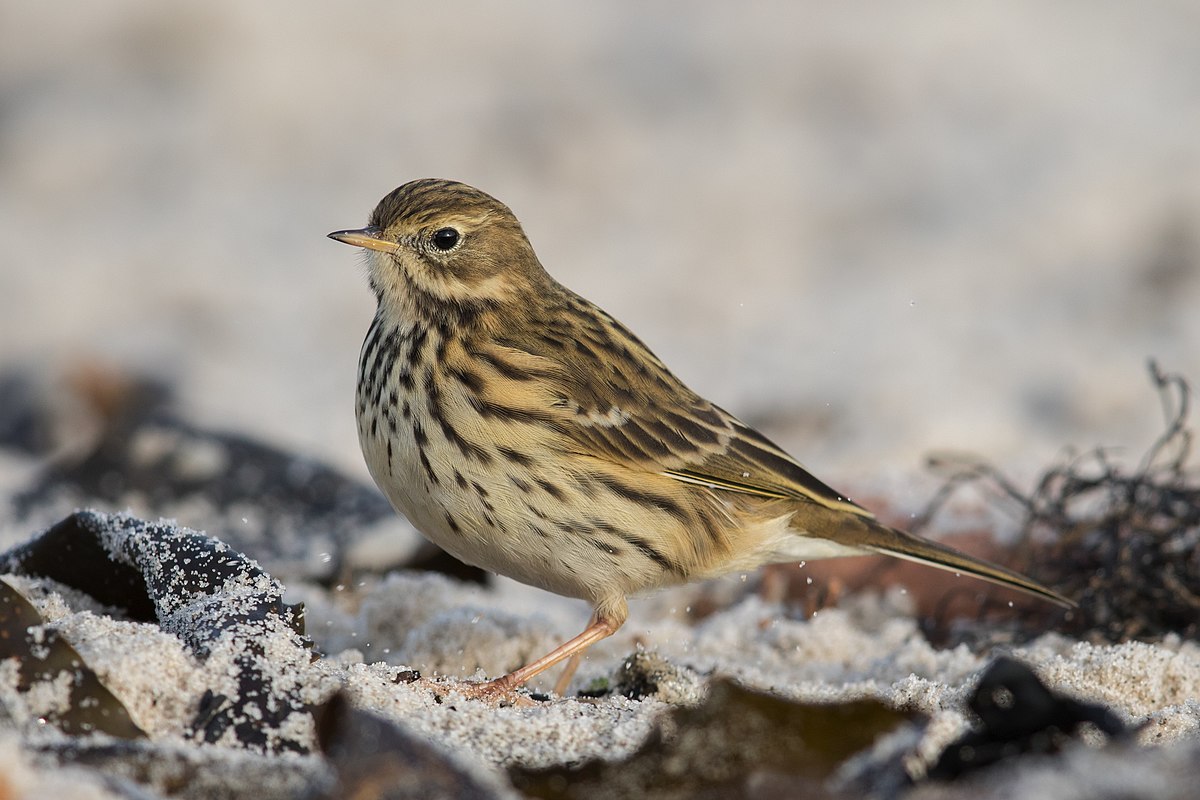

Wikipedia: Meadow pipit Quelle: WIKIPEDIA 1200px-Wiesenpieper_Meadow_pipit.jpg
Zuerst beobachtet in 🇨🇭 an 2021-06-27.

Beschreibung

Allgemein: Looks like Misteldrossel
Allgemein: Deutschland: Brut, Zugvogel, Wintergast RL V
Etymologie: [9] The name "pipit", first documented by Thomas Pennant in 1768, is onomatopoeic, from the call note of this species. [Link]
Saisonal: Meadow Pipits can often be observed in large numbers when they gather on fields during migration. They like to stay in meadows with high grass or on arable land and only fly up when disturbed or when a bird of prey appears, which is why they are often overlooked. [Link]

Saisonales Verhalten

Jahresvogel
Brut: 04-01 - 07-29
Migration rein: 02-20 - 05-10
Migration raus: 09-17 - 11-06
Weitere Infos at Vogelwarte.ch

Weitere Infos

Physikalische Details

Körperlich: Länge=14 cm, Flügelspanne=22-25 cm, Gewicht=15-22 g
Habitate: Berg

Ähnliche Arten

Sieht ähnlich aus wie: Misteldrossel.

Vokalisierung

Gesang: Single note, possibly rising at the end. (Or: long 4 second phrases, gradually louder then softer; swoopy or whoopy.) Sings in flight. BirdID: Song very similar to Rock Pipit, but tone less full and more brittle. Lacks Rock Pipit's closing trill, and beginning is less "hammering". - but what does a rock pipit sound like?
Gesang: Ähnlich Baumpieper, aber ohne Zia-Rufe. Vollständiger Gesang nur in flatterndem Singflug. Lange Strophen. Mittelstück meist zart und hoch [Link]
Song very similar to Rock Pipit, but tone less full and more brittle. Lacks Rock Pipit's closing trill, and beginning is less "hammering". [Link] Gesang Eigenschaften: Melody: einnotig, schnell, Frequency: medium (1-5 KHz)
Quelle: XENOCANTO XC722919 - Meadow Pipit - Anthus pratensis - song.mp3 (Gesang)


Rufe: fast tonlos „ist, ist.“ [Link]
Contact call a short "eest". Similar to Rock Pipit but shorter,cleaner and most often in quick series. Warning call a sharp, high pitched "tzeet". Also a rattling "trrrrt". [Link] No details but a Xeno-Canto recording.
XC930459 - Meadow Pipit flight call - Anthus pratensis.

Quelle: XENOCANTO XC930459 - Meadow Pipit flight call - Anthus pratensis.mp3 (Flugruf)


Ruf Eigenschaften: Flugruf Frequenz: ,
Vollprofil

Gattung Motacilla:
Gebirgsstelze / Grey wagtail (Motacilla cinerea)
Auch bekannt als: Bergstelze, Gebirgstelze, Gray wagtail
Profil Wikipedia Vogelwarte BirdLife ZH ornitho.ch bird-song.ch Xeno-Canto BirdID NABU YouTube


Gebirgsstelze am Bach beim Klingnauer Stausee. 2022-02-05 14:16:30 Klingnauer Stausee
Zuerst beobachtet in 🇨🇭 an 2022-02-05.

Beschreibung

Allgemein: Yellow breast and butt end, white belly, light grey head and back, white eye stripe and stripe above black beard, dark wings with 3 white V's, long tail.
Allgemein: Deutschland: Brut-, Jahres-, Zugvogel, Wintergast

Saisonales Verhalten

Jahresvogel
Brut: 03-23 - 08-29
Migration rein: 02-20 - 04-01
Migration raus: 08-18 - 10-27
Weitere Infos at Vogelwarte.ch

Weitere Infos

Physikalische Details

Körperlich: Länge=18-19 cm, Flügelspanne=25-27 cm, Gewicht=14-22 g
Habitate: Nassgebiet

Vokalisierung

Gesang: BirdID says Song simple but variable. I hear trills up to 2 seconds long and chirps. Another description says a series of calls, not very melodic. I noted zwitx3, sometimes hhhhhll. [Link]
Gesang: Song simple but variable. Sometimes with more elaborate song-flight like White Wagtail. [Link] Gesang Eigenschaften: Melody: stereotypisch melodisch, schnell, Frequency: high (3-9 KHz) Special sounds: Triller
Quelle: XENOCANTO XC767550 - Grey Wagtail - Motacilla cinerea - song with trills and a cheek-cheek.mp3 (Gesang)


Quelle: XENOCANTO XC757193 - Grey Wagtail - Motacilla cinerea - one-note song recorded in Germany.mp3 (Gesang)


Rufe: Contact call short, metallic and with a clipped ending. Often disyllabic, "tzeet-tzeet", with each syllable more separated than in White Wagtail, and timbre more "dirty". Often starts with the contact call, followed by short melodic phrases. [Link] 1: Birdweather hat ein-Noter aufgenommen.
XC854585 - Grey Wagtail - Motacilla cinerea - 2-note call.

Quelle: XENOCANTO XC854585 - Grey Wagtail - Motacilla cinerea - 2-note call.mp3 (Ruf)


2: Ich habe zwei-noter lh lhhh notiert, wahrscheinlich von Birdweather?

3: No details but a Xeno-Canto recording. - but really OWN
Gebirgsstelze bei 5 minuten durch geflogen, evtl Flugruf.

♫ 2024-09-09 08:24:00 Greater Fehraltorf (Flugruf)
Gebirgsstelze bei letzen 30 Sekunden durch geflogen, evtl Flugruf.

♫ 2024-09-09 08:24:00 Greater Fehraltorf (Flugruf)

Ruf Eigenschaften: Ruf Melodie: einnotig, langsam, Frequenz: medium (1-5 KHz),
Vollprofil

Gattung Macronyx:
Gattung Dendronanthus:
Gattung Tmetothylacus:
Familie Estrildidae:
Unterfamilie Viduinae:
Gattung Vidua:
Unterfamilie Estrildinae:
Gattung Lonchura (Mannikins):
Gattung Pöphila:
Gattung Taeniopygia:
Gattung Spermestes:
Gattung Odontospiza:
Gattung Erythrura:
Gattung Amandava:
Gattung Estrilda:
Gattung Hypargos:
Gattung Lagonosticta:
Gattung Ortygospiza:
Gattung Nigrita:
Gattung Parmoptila:
Gattung Cryptospiza:
Gattung Clytospiza:
Gattung Pytilia:
Gattung Euschistospiza:
Gattung Uräginthus:
Gattung Spermophaga:
Gattung Pyrenestes:
Gattung Mandingoa:
Gattung Nesocharis:
Gattung Amadina:
Gattung Neochmia:
Gattung Stagonopleura:
Gattung Emblema:
Gattung Heteromunia:
Gattung Lepidopygia:
Gattung Granatina:
Familie Nectariniidae:
Gattung Nectarinia:
Gattung Äthopyga:
Gattung Anthreptes:
Gattung Arachnothera:
Gattung Promerops:
Gattung Cyanomitra:
Gattung Chalcomitra:
Gattung Cinnyris:
Gattung Deleornis:
Gattung Hedydipna:
Gattung Leptocoma:
Gattung Anabathmis:
Gattung Chalcoparia:
Gattung Anthobaphes:
Gattung Kurochkinegramma:
Gattung Dreptes:
Familie Icteridae (New world blackbirds, orioles and allies):
Gattung Agelaius:
Gattung Sturnella:
Gattung Quiscalus:
Gattung Cacicus:
Gattung Amblycercus:
Gattung Curäus:
Gattung Dives:
Gattung Dolichonyx:
Gattung Euphagus:
Gattung Gnorimopsar:
Gattung Icterus:
Gattung Lampropsar:
Gattung Amblyramphus:
Gattung Gymnomystax:
Gattung Macroagelaius:
Gattung Molothrus:
Gattung Nesopsar:
Gattung Oreopsar:
Gattung Psarocolius:
Gattung Pseudoleistes:
Gattung Scaphidura:
Gattung Xanthocephalus:
Gattung Xanthopsar:
Gattung Ocyalus:
Gattung Hypopyrrhus:
Gattung Chrysomus:
Familie Melanocharitidae:
Gattung Melanocharis:
Gattung Ödistoma:
Gattung Toxorhamphus:
Familie Paramythiidae:
Gattung Paramythia:
Gattung Oreocharis:
Familie Parulidae (New world warblers):
Gattung Vermivora:
Gattung Basileuterus:
Gattung Limnothlypis:
Gattung Geothlypis:
Gattung Icteria:
Gattung Oporornis:
Gattung Cardellina:
Gattung Catharopeza:
Gattung Granatellus:
Gattung Helmitheros:
Gattung Microligea:
Gattung Mniotilta:
Gattung Myioborus:
Gattung Protonotaria:
Gattung Seiurus:
Gattung Setophaga:
Gattung Teretistris:
Gattung Xenoligea:
Gattung Zeledonia:
Gattung Leucopeza:
Gattung Oreothlypis:
Gattung Parkesia:
Gattung Leiothlypis:
Gattung Myiothlypis:
Familie Dicaeidae:
Gattung Dicäum:
Gattung Prionochilus:
Familie Ploceidae:
Unterfamilie Ploceinae:
Gattung Ploceus:
Gattung Quelea:
Gattung Dinemellia:
Gattung Pseudonigrita:
Gattung Malimbus:
Gattung Anaplectes:
Gattung Amblyospiza:
Gattung Bubalornis:
Gattung Euplectes:
Gattung Sporopipes:
Gattung Foudia:
Gattung Brachycope:
Gattung Histurgops:

Familie Paridae (Meisen / Titmice):

Gattung Parus:
Gattung Lophophanes:
Gattung Cyanistes:
Gattung Poecile:
Gattung Bäolophus:
Gattung Anthoscopus:
Gattung Periparus:
Gattung Remiz:
Gattung Pseudopodoces:
Gattung Pholidornis:
Gattung Melanochlora:
Gattung Sylviparus:
Gattung Cephalopyrus:
Gattung Melaniparus:
Gattung Machlolophus:
Gattung Sittiparus:
Gattung Pardaliparus:

Familie Cotingidae:

Gattung Ampelion:
Gattung Rupicola:
Gattung Ampelioides:
Gattung Carpodectes:
Gattung Cephalopterus:
Gattung Conioptilon:
Gattung Cotinga:
Gattung Doliornis:
Gattung Gymnoderus:
Gattung Hämatoderus:
Gattung Iodopleura:
Gattung Laniisoma:
Gattung Lipaugus:
Gattung Oxyruncus:
Gattung Perissocephalus:
Gattung Phönicircus:
Gattung Pipreola:
Gattung Porphyroläma:
Gattung Procnias:
Gattung Pyroderus:
Gattung Querula:
Gattung Xipholena:
Gattung Phytotoma:
Gattung Snowornis:
Gattung Tijuca:
Gattung Zaratornis:
Gattung Carpornis:
Gattung Phibalura:

Familie Furnariidae:

Gattung Asthenes:
Gattung Thripophaga:
Gattung Furnarius:
Gattung Cranioleuca:
Gattung Hellmayrea:
Gattung Synallaxis:
Gattung Glyphorynchus:
Gattung Lochmias:
Gattung Upucerthia:
Gattung Thripadectes:
Gattung Philydor:
Gattung Margarornis:
Gattung Pseudoseisura:
Gattung Anumbius:
Gattung Coryphistera:
Gattung Sclerurus:
Gattung Pygarrhichas:
Gattung Nasica:
Gattung Hylexetastes:
Gattung Dendrexetastes:
Gattung Automolus:
Gattung Xenops:
Gattung Geositta:
Gattung Cinclodes:
Gattung Leptasthenura:
Gattung Phacellodomus:
Gattung Berlepschia:
Gattung Aphrastura:
Gattung Limnornis:
Gattung Phleocryptes:
Gattung Schizöaca:
Gattung Oreophylax:
Gattung Schöniophylax:
Gattung Certhiaxis:
Gattung Premnornis:
Gattung Premnoplex:
Gattung Pseudocolaptes:
Gattung Anabacerthia:
Gattung Syndactyla:
Gattung Hylocryptus:
Gattung Heliobletus:
Gattung Megaxenops:
Gattung Xenerpestes:
Gattung Metopothrix:
Gattung Eremobius:
Gattung Chilia:
Gattung Sylviorthorhynchus:
Gattung Spartonoica:
Gattung Acrobatornis:
Gattung Anabazenops:
Gattung Ancistrops:
Gattung Gyalophylax:
Gattung Hyloctistes:
Gattung Roraimia:
Gattung Simoxenops:
Gattung Siptornis:
Gattung Clibanornis:
Gattung Limnoctites:
Gattung Siptornopsis:
Gattung Cichlocolaptes:
Gattung Biatas:

Familie Pittidae (Pittas):

Gattung Pitta:
Gattung Erythropitta:
Gattung Hydrornis:

Familie Ptilonorhynchidae (Bowerbirds):

Gattung Amblyornis:
Gattung Ailurödus:
Gattung Ptilonorhynchus:
Gattung Chlamydera:
Gattung Prionodura:
Gattung Sericulus:
Gattung Archboldia:
Gattung Chlamydochära:
Gattung Scenopöetes:

Familie Rhinocryptidae (Tapaculos):

Gattung Scytalopus:
Gattung Melanopareia:
Gattung Myornis:
Gattung Pteroptochos:
Gattung Scelorchilus:
Gattung Rhinocrypta:
Gattung Liosceles:
Gattung Psilorhamphus:
Gattung Merulaxis:
Gattung Eugralla:
Gattung Eleoscytalopus:
Gattung Acropternis:
Gattung Teledromas:

Familie Sturnidae (Stare / Starlings):

Gattung Sturnus:
Gattung Lamprotornis:
Gattung Oreoscoptes:
Gattung Melanotis:
Gattung Gracula:
Gattung Leucopsar:
Gattung Cosmopsarus:
Gattung Scissirostrum:
Gattung Creatophora:
Gattung Acridotheres:
Gattung Mino:
Gattung Ampeliceps:
Gattung Aplonis:
Gattung Buphagus:
Gattung Cinnyricinclus:
Gattung Pöoptera:
Gattung Sarcops:
Gattung Neocichla:
Gattung Onychognathus:
Gattung Spreo:
Gattung Saroglossa:
Gattung Basilornis:
Gattung Enodes:
Gattung Streptocitta:
Gattung Speculipastor:
Gattung Grafisia:
Gattung Fregilupus:
Gattung Hartlaubius:
Gattung Pholia:
Gattung Notopholia:
Gattung Sturnia:
Gattung Agropsar:
Gattung Gracupica:

Familie Turdidae (Drosseln / Thrushes):

Gattung Catharus:
Gattung Turdus:
Ringdrossel / Ring ouzel (Turdus torquatus)
Profil Wikipedia Vogelwarte BirdLife ZH ornitho.ch bird-song.ch Xeno-Canto BirdID NABU YouTube


Ringdrossel - ich wollte unbedingt einen fotografieren, und dieser hat sicher frei. 2024-06-25 09:14:04 Mettmenalp, GL
Zuerst beobachtet in 🇨🇭 an 2021-06-27.

Beschreibung

Allgemein: Deutschland: Brut-, Zugvogel

Saisonales Verhalten

Präsenz: 03-12 - 11-06
Brut: 04-20 - 07-20
Migration rein: 03-12 - 05-10
Migration raus: 08-29 - 11-06
Weitere Infos at Vogelwarte.ch

Weitere Infos

Physikalische Details

Körperlich: Länge=23-24 cm, Flügelspanne=38-42 cm, Gewicht=92-138 g
Habitate: Berg

Ähnliche Arten

Gesang oder Rüfe ähnlich wie: Buntspecht.

Vokalisierung

Gesang: BirdID says Song a primitive, plaintive series of short phrases, often with only 1-2 syllables (I heard 2-3 in Amden, sometimes chirpy, sometimes less musical).
Gesang: Habe mit dem Buntspecht verwechselt - Ringdrossel singt 2-3 Noten - hilft das? [Link]
Song a primitive, plaintive series of short phrases. Often with only one or two syllables. Interspersed with eerie, higher pitched sounds, reminiscent of Song Thrush. [Link] Gesang Eigenschaften: Eselsbrücke 3 Noten wie Ring-dross-el Melody: einfach rhythmisch, langsam, Frequency: 1-5 KHz
Quelle: XENOCANTO XC721589 - Ring Ouzel - Turdus torquatus - song.mp3 (Gesang)


Rufe: Alarm call a series of "chok-chok". Thicker and more resonant than Redwing. [Link] No details but a Xeno-Canto recording.
XC942931 - Ring Ouzel - Turdus torquatus - clicky call.

Quelle: XENOCANTO XC942931 - Ring Ouzel - Turdus torquatus - clicky call.mp3 (Ruf)


Ruf Eigenschaften: Gesang Frequenz: ,
Vollprofil

Gattung Erithacus:
Gattung Monticola:
Blaumerle / Blue rock-thrush (Monticola solitarius)
Alternative Klassifikation: Monticola solitaria
Auch bekannt als: Blue rock thrush
Profil Wikipedia Vogelwarte BirdLife ZH ornitho.ch Xeno-Canto BirdID NABU YouTube


MerlinBirdID schlägt Blaumerle vor, könnte aber genauso gut in Kaltbrunnerriet ein Amsel sein. 2022-06-04 12:05:18 Kaltbrunner-Riet
Zuerst beobachtet in Mallorca an 2022-04-07.

Beschreibung

Allgemein: Die Blaumerle (Monticola solitarius) ist ein Vogel aus der Ordnung der Sperlingsvögel und der Unterfamilie der Schmätzer. Bei der Blaumerle sind die Geschlechter leicht voneinander zu unterscheiden (Geschlechtsdimorphismus), die Männchen haben schwarz-blaues Gefieder, während die Weibchen grauschwarz mit hellen Flecken gefärbt sind. Mit etwa 20 Zentimeter Länge sind sie etwas kleiner als der Star, ihr scheues Verhalten erinnert jedoch eher an Schmätzer oder Drosseln. [mehr]
Resident (ssp madoci) in far south and winter visitor
Vokalisierung: Often two notes in sequence, the second one higher ("pjuu-eee"), and sometimes followed by series of dry "check" sounds. [Link]

Weitere Infos

Physikalische Details

Körperlich: Länge=20 cm, Flügelspanne=33-37 cm, Gewicht=57-64 g
Habitate: Berg

Vokalisierung

Gesang: Pretty short up-and-down song heard in Mallorca
Gesang: The song is a beautiful, melodious fluting which can be very difficult to distinguish from M. saxatilis. It generally has a more melancholic feel, with more tremulous fluting than the latter, with less lingering in the higher register. The structure is variable and simple, but sometimes more elaborate in song-flight or when including mimicry. Both sexes sing, but male most actively. [Link] Gesang Eigenschaften: Melody: stereotypisch melodisch, schnell, Frequency: 2-4 KHz Special sounds: Mimikry
Quelle: XENOCANTO XC659831 - Blue Rock Thrush - Monticola solitarius - song is a variable up and down - recorded in France.mp3 (Gesang)


Vollprofil

Steinrötel / Common rock thrush (Monticola saxatilis)
Auch bekannt als: Rufous-tailed rock-thrush
Profil Wikipedia Vogelwarte BirdLife ZH ornitho.ch Xeno-Canto BirdID NABU YouTube


Steinrötel. 2022-05-21 15:13:24 Leuk
Zuerst beobachtet in 🇨🇭 an 2022-05-21.

Beschreibung

Allgemein: Der Steinrötel (Monticola saxatilis) ist ein Vogel aus der Familie der Fliegenschnäpper, der äußerlich einer Drossel ähnelt. Er hat aber längere Flügel und einen kürzeren Schwanz und ist mit 19 Zentimeter Länge etwas kleiner als die Singdrossel. Bei den Weibchen ist der Schwanz rostrot gefärbt. Die Jungen erscheinen gefleckter als die Weibchen. Bei Erregung zittern die Steinrötel mit dem Schwanz. [mehr]

Weitere Infos

Physikalische Details

Körperlich: Länge=18 cm, Flügelspanne=33-37 cm, Gewicht=43-63 g
Habitate: Berg

Vokalisierung

Gesang: Nabu: Den weichen, melodischen Gesang trägt das Männchen zumeist im Singflug vor. [Link]
Gesang: Song varied and pleasing, and often very difficult to tell from Blue Rock-thrush. It is generally softer, more varied and the deeper notes are less tremulous and vibrating. A higher proportion of the song is in the higher register, with fewer lower fluting sounds, and more mimicry. Both sexes sing, but females less than males. [Link] Gesang Eigenschaften: Melody: improvisiert melodisch, langsam, Frequency: 2-8 KHz Special sounds: Mimikry
Vollprofil

Gattung Zoothera:
Gattung Luscinia:
Gattung Sheppardia:
Gattung Stiphrornis:
Gattung Myadestes:
Gattung Entomodestes:
Gattung Neocossyphus:
Gattung Stizorhina:
Gattung Cichlopsis:
Gattung Sialia:
Gattung Ixoreus:
Gattung Hylocichla:
Gattung Alethe:
Gattung Heinrichia:
Gattung Geokichla:

Familie Tyrannidae:

Gattung Empidonax:
Gattung Tyrannus:
Gattung Sayornis:
Gattung Anairetes:
Gattung Stigmatura:
Gattung Uromyias:
Gattung Elaenia:
Gattung Pachyramphus:
Gattung Tityra:
Gattung Mionectes:
Gattung Agriornis:
Gattung Lessonia:
Gattung Muscigralla:
Gattung Xolmis:
Gattung Muscisaxicola:
Gattung Gubernetes:
Gattung Terenotriccus:
Gattung Corythopis:
Gattung Contopus:
Gattung Aphanotriccus:
Gattung Lathrotriccus:
Gattung Cnemotriccus:
Gattung Mitrephanes:
Gattung Sublegatus:
Gattung Myiobius:
Gattung Myiarchus:
Gattung Fluvicola:
Gattung Leptopogon:
Gattung Myiopagis:
Gattung Todirostrum:
Gattung Rhytipterna:
Gattung Sapayoa:
Gattung Hemitriccus:
Gattung Laniocera:
Gattung Atalotriccus:
Gattung Colonia:
Gattung Lophotriccus:
Gattung Myiornis:
Gattung Cnipodectes:
Gattung Myiotriccus:
Gattung Oncostoma:
Gattung Onychorhynchus:
Gattung Capsiempis:
Gattung Platyrinchus:
Gattung Phyllomyias:
Gattung Ramphotrigon:
Gattung Tolmomyias:
Gattung Pöcilotriccus:
Gattung Pseudotriccus:
Gattung Rhynchocyclus:
Gattung Xenopsaris:
Gattung Myiodynastes:
Gattung Pitangus:
Gattung Pyrocephalus:
Gattung Camptostoma:
Gattung Inezia:
Gattung Knipolegus:
Gattung Serpophaga:
Gattung Mecocerculus:
Gattung Myiophobus:
Gattung Neopipo:
Gattung Ochthöca:
Gattung Ornithion:
Gattung Phäomyias:
Gattung Phylloscartes:
Gattung Suiriri:
Gattung Tyrannulus:
Gattung Zimmerius:
Gattung Attila:
Gattung Casiornis:
Gattung Culicivora:
Gattung Empidonomus:
Gattung Euscarthmus:
Gattung Legatus:
Gattung Megarynchus:
Gattung Myiozetetes:
Gattung Polystictus:
Gattung Pseudocolopteryx:
Gattung Sirystes:
Gattung Griseotyrannus:
Gattung Philohydor:
Gattung Alectrurus:
Gattung Arundinicola:
Gattung Tachuris:
Gattung Pyrrhomyias:
Gattung Hirundinea:
Gattung Tumbezia:
Gattung Cnemarchus:
Gattung Myiotheretes:
Gattung Neoxolmis:
Gattung Polioxolmis:
Gattung Hymenops:
Gattung Satrapa:
Gattung Machetornis:
Gattung Deltarhynchus:
Gattung Pogonotriccus:
Gattung Colorhamphus:
Gattung Ochthornis:
Gattung Pseudelaenia:
Gattung Täniotriccus:
Gattung Tyrannopsis:
Gattung Conopias:
Gattung Heteroxolmis:
Gattung Silvicultrix:
Gattung Muscipipra:
Gattung Nephelomyias:
Gattung Xenotriccus:
Gattung Nesotriccus:
Gattung Phelpsia:

Familie Muscicapidae (Schnäpperverwandte / Old world flycatchers):

Gattung Ficedula:
Gattung Muscicapa:
Gattung Saxicola:
Gattung Phönicurus:
Gattung Cyanoptila:
Gattung Copsychus:
Gattung Cyornis:
Gattung Cichlherminia:
Gattung Paradoxornis:
Gattung Cercotrichas:
Gattung Cossypha:
Gattung Pogonocichla:
Gattung Swynnertonia:
Gattung Cossyphicula:
Gattung Melänornis:
Gattung Önanthe (Wheatears):
Steinschmätzer / Northern wheatear (Oenanthe oenanthe)
Profil Wikipedia Vogelwarte BirdLife ZH ornitho.ch Audubon AllAboutBirds Xeno-Canto NABU YouTube


Male northern wheatear, photo by Andreas Trepte - Own work, CC BY-SA 2.5 Quelle: WIKIPEDIA Wikimedia Steinschmaetzer_Northern_wheatear_male.jpg
Zuerst beobachtet in 🇨🇭 an 2021-07-29.

Beschreibung

Geographie: Dieser Vogel erscheint jenseits grossen Meere in Kontinenten : Europa, Nordamerika, Afrika, Asien.
General: I thought after seeing these at over 2700 meters that they must be a typical mountain bird (and in the FOK Zurich materials they were in the mountain section), however Wikipedia explains that such a stony landscape is the key, whether that is high or not:
Geography: The northern wheatear is a migratory insectivorous species breeding in open stony country in Europe and east across the Palearctic with footholds in northeastern Canada and Greenland as well as in northwestern Canada and Alaska. It nests in rock crevices and rabbit burrows. All birds spend most of their winter in Africa. ... Miniature tracking devices have recently shown that the northern wheatear has one of the longest migratory flights known - 30,000 km (18,640 miles), from sub-Saharan Africa to their Arctic breeding grounds.[15] [Link]
Strangely the residence and migration maps differ greatly by source: in Wikipedia the northern wheatear spends winter in subsaharan Africa, while the authoratitive Kosmos-Vogelführer shows some in northern Africa like Morocco. Most other sources agree with Wikipedia and Sub-Saharan Africa.
Allgemein: Deutschland: Brut-, Zugvogel RL 1
Etymologie: I thought the German name Steinschmätzer, presumably stone kisser (no one explains it, oddly enough) to be much more logical than the English northern wheatear. I was greatly amused to look it up and find it to be a 'folk etymology of "white" and "arse"' (Wikipedia).
Etymologie: The genus name Oenanthe is derived from the Greek oenos (οίνος) "wine" and anthos (ανθός) "flower". It refers to the northern wheatear's return to Greece in the spring just as the grapevines blossom. [Link]
Aussehen und Identifizierung: Hat einen böse aussehenden schwarzen Augenstreifen wie ein Red-backed shrike (den Nici Baiker im FOK Feldornithologiekurs als Zorro-look beschrieben hat). Auf Muottas Muragl habe ich beim Fliegen den typischen runden grauen Oval umgeben bei dunklen Federn gesehen, und bin so auf Steinschmätzer gekommen. Ich habe das schwarze T-Muster nicht gesehen, die überall erwähnt wird aber nie gezeigt - ich habe ein Foto erst über Google gefunden.
Geographie: In den FOK Unterlagen werden die Zugrouten von Alaska und von nordosten Kanada gezeigt, die beide für Winter nach Afrika ziehen. Die aus Alaska fliegen über Asien unglaubliche 15000 Kilometer! Die in Kanada haben es auch nicht leicht, da sie zuerst über den Atlantik nach Spanien fliegen!
Verhalten: Herbert Steffny schreibt auch jetzt Anfang Mai wo die Neuntöter aus Afrika zureuckgekehrt sind, muss man nicht früh aufstehen um sie zu beobachten, weil sie selber warten bis es warm genug ist für die (leckeren) Insekten aktiv zu werden! [Link]
Vokalisierung: Each phrase is often introduced by the "weet" sound, then followed by hastened, creaking, rattling and warbling sounds of 1-2 seconds duration. [Link]

Saisonales Verhalten

Präsenz: 03-23 - 10-27
Brut: 05-10 - 08-09
Migration rein: 03-23 - 05-31
Migration raus: 08-09 - 10-27
Weitere Infos at Vogelwarte.ch

Weitere Infos

Physikalische Details

Körperlich: Länge=14-15 cm, Flügelspanne=26-32 cm, Gewicht=18-29 g
Habitate: Berg

Ähnliche Arten

Sieht ähnlich aus wie: Neuntöter.

Vokalisierung

Gesang: The Wheatear song consists of short phrases with marked pauses. Each phrase is often introduced by the "weet" sound, then followed by hastened, creaking, rattling and warbling sounds of 1-2 seconds duration. The "check" sound is also often included in the song. [Link]
General: I thought after seeing these at over 2700 meters that they must be a typical mountain bird (and in the FOK Zurich materials they were in the mountain section), however Wikipedia explains that such a stony landscape is the key, whether that is high or not:
Geography: The northern wheatear is a migratory insectivorous species breeding in open stony country in Europe and east across the Palearctic with footholds in northeastern Canada and Greenland as well as in northwestern Canada and Alaska. It nests in rock crevices and rabbit burrows. All birds spend most of their winter in Africa. ... Miniature tracking devices have recently shown that the northern wheatear has one of the longest migratory flights known - 30,000 km (18,640 miles), from sub-Saharan Africa to their Arctic breeding grounds.[15] [Link]
Strangely the residence and migration maps differ greatly by source: in Wikipedia the northern wheatear spends winter in subsaharan Africa, while the authoratitive Kosmos-Vogelführer shows some in northern Africa like Morocco. Most other sources agree with Wikipedia and Sub-Saharan Africa.
Gesang: Kurze, wechselvolle Strophe mit vielen unreinen Tönen. Meist von erhöhter Warte aus oder in kurzem Singflug vorgetragen. [Link]
The Wheatear song consists of short phrases with marked pauses. The "check" sound is also often included in the song. [Link] Gesang Eigenschaften: Melody: improvisiert melodisch, schnell, Frequency: 2-6 KHz Special sounds: Raspel, rasseln
Quelle: XENOCANTO XC730221 - Northern Wheatear - Oenanthe oenanthe - song recorded in France, just 2-3 notes, then long pause.mp3 (Gesang)


Quelle: XENOCANTO XC764932 - Northern Wheatear - Oenanthe oenanthe - song recorded in Sweden with lots of whoops and swoops, about 2 seconds long, then 3-4 seconds pause.mp3 (Gesang)


Quelle: XENOCANTO XC319898 - Northern Wheatear - Oenanthe oenanthe - song recorded in Scotland and includes creaking or rattling mentioned at Nord U BirdID.mp3 Schottland (Gesang)


Quelle: XENOCANTO XC769228 - Northern Wheatear - Oenanthe oenanthe - song recorded in the Netherlands.mp3 (Gesang)


Vollprofil

Gattung Rhinomyias:
Gattung Bradornis:
Gattung Enicurus:
Gattung Rhyacornis:
Gattung Cochoa:
Gattung Nesocichla:
Gattung Psophocichla:
Gattung Namibornis:
Gattung Chaimarrornis:
Gattung Muscicapella:
Gattung Niltava:
Gattung Fraseria:
Gattung Eumyias:
Gattung Cercomela:
Gattung Myrmecocichla:
Gattung Thamnoläa:
Gattung Brachypteryx:
Gattung Campicoloides:
Gattung Cichladusa:
Gattung Cinclidium:
Gattung Empidornis:
Gattung Hodgsonius:
Gattung Irania:
Gattung Myiomela:
Gattung Myioparus:
Gattung Saxicoloides:
Gattung Trichixos:
Gattung Myophonus:
Gattung Humblotia:
Gattung Grandala:
Gattung Adelura:
Gattung Chamätylas:
Gattung Calliope:
Gattung Kittacincla:
Gattung Sholicola:
Gattung Larvivora:
Gattung Xenocopsychus:
Gattung Anthipes:

Familie Petroicidae (Australasian robins):

Gattung Eopsaltria:
Gattung Tregellasia:
Gattung Petroica:
Gattung Eugerygone:
Gattung Melanodryas:
Gattung Micröca:
Gattung Pachycephalopsis:
Gattung Peneothello:
Gattung Drymodes:
Gattung Pöcilodryas:
Gattung Amalocichla:
Gattung Monachella:

Familie Acanthisittidae (New zealand wrens):

Gattung Xenicus:
Gattung Acanthisitta:
Gattung Traversia:
Gattung Pachyplichas:

Familie Menuridae:

Gattung Menura:
Gattung Atrichornis:

Familie Climacteridae:

Gattung Climacteris:
Gattung Cormobates:

Familie Sittidae (Kleiber):

Gattung Sitta:
Gattung Tichodroma:
Mauerläufer / Wallcreeper (Tichodroma muraria)
Profil Wikipedia Vogelwarte BirdLife ZH ornitho.ch Xeno-Canto BirdID NABU YouTube


Wikipedia: Wallcreeper Quelle: WIKIPEDIA 1200px-Wallcreeper_%28Tichodroma_muraria%29_female_Piatra_Craiului.jpg
🔍 Never observed (yet!)

Beschreibung

Allgemein: Der Mauerläufer (Tichodroma muraria) ist ein kleibergroßer, auffällig gefärbter Singvogel, der zerstreut in alpinen Lagen Eurasiens vorkommt. Charakteristische Feldkennzeichen sind die rote und weiße Zeichnung der breiten Flügel, die während der Brutzeit schwarze Kehle des Männchens, der lange, leicht abwärts gebogene Stocherschnabel und der unstete Flatterflug. Mauerläufer bewohnen nahezu alle europäischen und asiatischen Gebirge, ostwärts etwa bis zum Großen Hinggan-Gebirge nordwestlich von Peking, wo sie sich während der Brutzeit vor allem, jedoch nicht ausschließlich in hochalpinen, felsigen Bereichen aufhalten. Die Art brütet in Felsspalten oder Felshöhlen und ernährt sich von Insekten, die aus Spalten und Ritzen oder von der Felsoberfläche gesammelt, oder im Flug erbeutet werden. In Europa erreichen die Brutvorkommen Höhen bis annähernd 3500 Meter, in Tibet überschreiten sie 5000 Meter. Während sie nach der Brutsaison meist in noch höhere Lagen aufsteigen, verbringen Mauerläufer die Wintermonate zwar nahe der Brutgebiete, jedoch in geringerer Höhe, beziehungsweise in klimatisch begünstigteren Regionen. In dieser Jahreszeit ist die Art auch an felsigen Strandabschnitten oder an Gebäuden zu beobachten. [mehr]
Deutschland: Brut-, Jahresvogel RL R

Saisonales Verhalten

Jahresvogel
Brut: 05-10 - 07-29
Weitere Infos at Vogelwarte.ch

Weitere Infos

Physikalische Details

Körperlich: Länge=16 cm, Flügelspanne=27-32 cm, Gewicht=15-19 g
Habitate: Berg

Vokalisierung

Gesang: 5-notes LlmHh with pirol-like slowness and tone.
Gesang: Song variable in length, but main characteristic a sequence of 4-6 long, ascending whistles with timbre recalling whistling kettle. More complex and varied phrases are mixed with the long whistles. Both male and female sings. [Link] Gesang Eigenschaften: Melody: stereotypisch melodisch, schnell, Frequency: 1-5 KHz
Vollprofil

Familie Mimidae (Spottdrosseln):

Gattung Toxostoma:
Gattung Cinclocerthia:
Gattung Mimus:
Gattung Dumetella:
Gattung Margarops:
Gattung Melanoptila:
Gattung Ramphocinclus:
Gattung Donacobius:
Gattung Nesomimus:
Gattung Mimodes:

Familie Certhiidae (Baumläufer):

Unterfamilie Troglodytinae:
Gattung Troglodytes:
Gattung Campylorhynchus:
Gattung Thryothorus:
Gattung Henicorhina:
Gattung Thryorchilus:
Gattung Cyphorhinus:
Gattung Catherpes:
Gattung Cistothorus:
Gattung Cinnycerthia:
Gattung Thryomanes:
Gattung Microcerculus:
Gattung Odontorchilus:
Gattung Salpinctes:
Gattung Uropsila:
Gattung Pheugopedius:
Gattung Thryophilus:
Gattung Cantorchilus:
Gattung Ferminia:
Unterfamilie Certhiinae:
Gattung Certhia:
Gattung Salpornis:
Unterfamilie Polioptilinae:
Gattung Polioptila:
Gattung Auriparus:
Gattung Ramphocänus:
Gattung Microbates:

Familie Dendrocolaptidae:

Gattung Xiphorhynchus:
Gattung Lepidocolaptes:
Gattung Sittasomus:
Gattung Dendrocolaptes:
Gattung Drymornis:
Gattung Xiphocolaptes:
Gattung Dendrocincla:
Gattung Campylorhamphus:
Gattung Deconychura:

Familie Formicariidae:

Gattung Formicarius:
Gattung Grallaria:
Gattung Grallaricula:
Gattung Hylopezus:
Gattung Myrmothera:
Gattung Chamäza:
Gattung Cercomacra:
Gattung Pyriglena:
Gattung Pittasoma:

Familie Thamnophilidae:

Gattung Thamnophilus:
Gattung Drymophila:
Gattung Formicivora:
Gattung Herpsilochmus:
Gattung Hypocnemis:
Gattung Myrmotherula:
Gattung Terenura:
Gattung Phlegopsis:
Gattung Myrmornis:
Gattung Frederickena:
Gattung Pithys:
Gattung Mackenziäna:
Gattung Hypödaleus:
Gattung Batara:
Gattung Taraba:
Gattung Sakesphorus:
Gattung Megastictus:
Gattung Pygiptila:
Gattung Thamnistes:
Gattung Thamnomanes:
Gattung Dysithamnus:
Gattung Myrmoborus:
Gattung Myrmeciza:
Gattung Phänostictus:
Gattung Rhegmatorhina:
Gattung Gymnopithys:
Gattung Microrhopias:
Gattung Myrmorchilus:
Gattung Neoctantes:
Gattung Dichrozona:
Gattung Hylophylax:
Gattung Myrmochanes:
Gattung Hypocnemoides:
Gattung Sclateria:
Gattung Gymnocichla:
Gattung Percnostola:
Gattung Cymbilaimus:
Gattung Rhopornis:
Gattung Epinecrophylla:
Gattung Willisornis:
Gattung Xenornis:
Gattung Stymphalornis:
Gattung Myrmelastes:
Gattung Myrmoderus:
Gattung Clytoctantes:
Gattung Aprositornis:
Gattung Euchrepomis:
Gattung Sipia:
Gattung Akletos:
Gattung Ammonastes:
Gattung Ampelornis:
Gattung Hafferia:
Gattung Myrmophylax:
Gattung Oneillornis:
Gattung Poliocrania:
Gattung Sciaphylax:

Familie Eurylaimidae:

Gattung Smithornis:
Gattung Calyptomena:
Gattung Psarisomus:
Gattung Cymbirhynchus:
Gattung Eurylaimus:
Gattung Serilophus:
Gattung Corydon:
Gattung Pseudocalyptomena:
Gattung Sarcophanops:

Familie Pipridae:

Gattung Pipra:
Gattung Machäropterus:
Gattung Neopelma:
Gattung Piprites:
Gattung Schiffornis:
Gattung Xenopipo:
Gattung Chloropipo:
Gattung Chiroxiphia:
Gattung Manacus:
Gattung Antilophia:
Gattung Ilicura:
Gattung Tyranneutes:
Gattung Lepidothrix:
Gattung Heterocercus:
Gattung Masius:
Gattung Corapipo:
Gattung Dixiphia:
Gattung Ceratopipra:
Gattung Cryptopipo:

Familie Conopophagidae:

Gattung Conopophaga:

Familie Bombycillidae (Seidenschwänze):

Gattung Bombycilla:
Gattung Phainoptila:
Gattung Dulus:
Gattung Phainopepla:
Gattung Ptilogonys:

Familie Cinclidae (Wasseramseln):

Gattung Cinclus:

Familie Philepittidae:

Gattung Philepitta:
Gattung Neodrepanis:

Familie Picathartidae:

Gattung Picathartes:
Gattung Chätops:

Überfamilie Corvoidea:

Familie Corcoracidae (Australian choughs):
Gattung Corcorax:
Gattung Struthidea:
Familie Paradisaeidae (Paradise birds):
Gattung Epimachus:
Gattung Diphyllodes:
Gattung Manucodia:
Gattung Ptiloris:
Gattung Cicinnurus:
Gattung Seleucidis:
Gattung Paradisäa:
Gattung Lophorina:
Gattung Parotia:
Gattung Phonygammus:
Gattung Astrapia:
Gattung Drepanornis:
Gattung Lycocorax:
Gattung Paradigalla:
Gattung Pteridophora:
Gattung Semioptera:
Familie Laniidae (Würger / Shrikes):
Gattung Lanius:
Gattung Corvinella:
Gattung Eurocephalus:
Familie Corvidae (Krähenverwandte):
Gattung Cyanocitta:
Gattung Corvus (Crows):
Kolkrabe / Common raven (Corvus corax)
Auch bekannt als: Northern raven
Profil Wikipedia A-Z Animals Vogelwarte BirdLife ZH ornitho.ch bird-song.ch Audubon AllAboutBirds Xeno-Canto BirdID NABU YouTube


EIn Kolkrabe wollte anscheinend etwas zum Fressen von uns. 2024-09-14 12:18:14 Fanel/Chablais de Cudrefin und La Sauge
Zuerst beobachtet in 🇨🇭 an 2021-03-10.

Beschreibung

Geographie: Dieser Vogel erscheint jenseits grossen Meere in Kontinenten : Europa, Nordamerika, Afrika.
Allgemein: Kolkrabe wird oft in Worträtseln als 'grösster Singvogel der Welt' beschrieben.
Allgemein: Deutschland: Brut-, Jahresvogel
Gut zu wissen: A flock of ravens may be called an unkindness [Literary names of groups and flocks]
Etymologie: Kolk, die erste Silbe seines seit dem 16. Jahrhundert bezeugten deutschen Namens, ist vermutlich lautmalerischen Ursprungs, ahmt also den Ruf des Vogels nach. [Link]
Jahrhundert bezeugten deutschen Namens, ist vermutlich lautmalerischen Ursprungs, ahmt also den Ruf des Vogels nach. [Link]
Aussehen und Identifizierung: Der Kolkrabe ist mit einer Körperlänge von 54 bis 67 cm und einer Flügelspannweite von 115 bis 130 cm größer als ein Mäusebussard und der mit Abstand größte europäische Rabenvogel. [Link]

Ravens are larger, the size of a Red-tailed Hawk [in Switzerland a red kite, similar 'length' but only 2/3 of the huge kite wingspan]. Ravens often travel in pairs, while crows are seen in larger groups. Also, watch the bird’s tail as it flies overhead. The crow’s tail feathers are basically the same length, so when the bird spreads its tail, it opens like a fan. Ravens, however, have longer middle feathers in their tails, so their tail appears wedge-shaped when open. Listen closely to the birds’ calls. Crows give a cawing sound. But ravens produce a lower croaking sound. [How to Tell a Raven From a Crow]
Vokalisierung: Quite varied repertoire. Most heard sound a short, coarse, but resonant "korrk. Other sounds may be surprisingly resonant and pure, like a ringing "clong" etc. Shows even more variation when courting. [Link]

Saisonales Verhalten

Jahresvogel
Brut: 02-20 - 06-09
Weitere Infos at Vogelwarte.ch

Weitere Infos

Physikalische Details

Körperlich: Länge=64 cm, Flügelspanne=120-150 cm, Gewicht=800-1560 g
Habitate: Berg

Vokalisierung

Gesang: No details but a Xeno-Canto recording.
Gesang Eigenschaften: Frequency:
♫ 2025-10-14 15:41:00 Schweiz (Gesang)

Graak!
XC779842 - Northern Raven - Corvus corax corax - call recorded in Sweden.

Quelle: XENOCANTO XC779842 - Northern Raven - Corvus corax corax - call recorded in Sweden.mp3 (Ruf)


Ruf Eigenschaften: Ruf Melodie: nicht musikalisch, langsam, Frequenz: low (1-3 KHz), Spezielle Klänge: Krächzen.
Vollprofil

Gattung Pica (Magpies):
Gattung Aphelocoma:
Gattung Perisoreus:
Gattung Gymnorhinus:
Gattung Cyanolyca:
Gattung Cyanocorax:
Gattung Calocitta:
Gattung Garrulus:
Gattung Nucifraga:
Tannenhäher / Spotted nutcracker (Nucifraga caryocatactes)
Auch bekannt als: Eurasian nutcracker
Profil Wikipedia Vogelwarte BirdLife ZH ornitho.ch bird-song.ch Xeno-Canto BirdID NABU YouTube


Tannenhäher - habe einen Specht gehört, in etwa dem Baum einen grossen Vogel gesehen, der aber von Ast zu Ast geflogen ist. 2021-07-20 15:32:10 Quelle: OTHER 20210720_153210-DSC_0457 XX Tannenhaeher - habe einen Specht gehört, in etwa dem Baum einen grossen Vogel gesehen, der aber von Ast zu Ast geflogen ist.JPG Fehraltorf
Zuerst beobachtet in 🇨🇭 an 2020-06-10.

Beschreibung

Allgemein: Deutschland: Brut-, Jahres-, Zugvogel, Wintergast
Aussehen und Identifizierung: Riesenschnabel, gefleckt wie Drossel/Star, laut wie Eichelhäher aber (glaube ich) etwas weicher
Vokalisierung: Fairly silent. [Link]

Saisonales Verhalten

Jahresvogel
Brut: 03-12 - 07-29
Weitere Infos at Vogelwarte.ch

Weitere Infos

Physikalische Details

Körperlich: Länge=32-33 cm, Flügelspanne=52-58 cm, Gewicht=140-190 g
Habitate: Berg

Vokalisierung

Gesang: Grehh, grehh, grehh!!
Gesang: Song a quiet improvisation of whistling and clappering sounds, interspersed with mimicry of other birds. [Link] Gesang Eigenschaften: Melody: nicht musikalisch, langsam, Frequency: 1-10 KHz Special sounds: Krächzen, Mimikry
Quelle: XENOCANTO XC641465 - Spotted Nutcracker - Nucifraga caryocatactes - song is a series of calls.mp3 (Gesang)


Rufe: Warning call a characteristic dry and rasping "karrr karrr karr" in even pitch. [Link] Like crow or its cousin the Eurasian jay (Eichelhaeher).
Ruf Eigenschaften: Alarmruf Ruf Melodie: einnotig, langsam, Frequenz: 1-10 KHz, Spezielle Klänge: Raspel.
Vollprofil
Gattung Pyrrhocorax:
Alpendohle / Alpine chough (Pyrrhocorax graculus)
Auch bekannt als: Yellow-billed chough
Profil Wikipedia Vogelwarte BirdLife ZH ornitho.ch bird-song.ch Xeno-Canto BirdID NABU YouTube


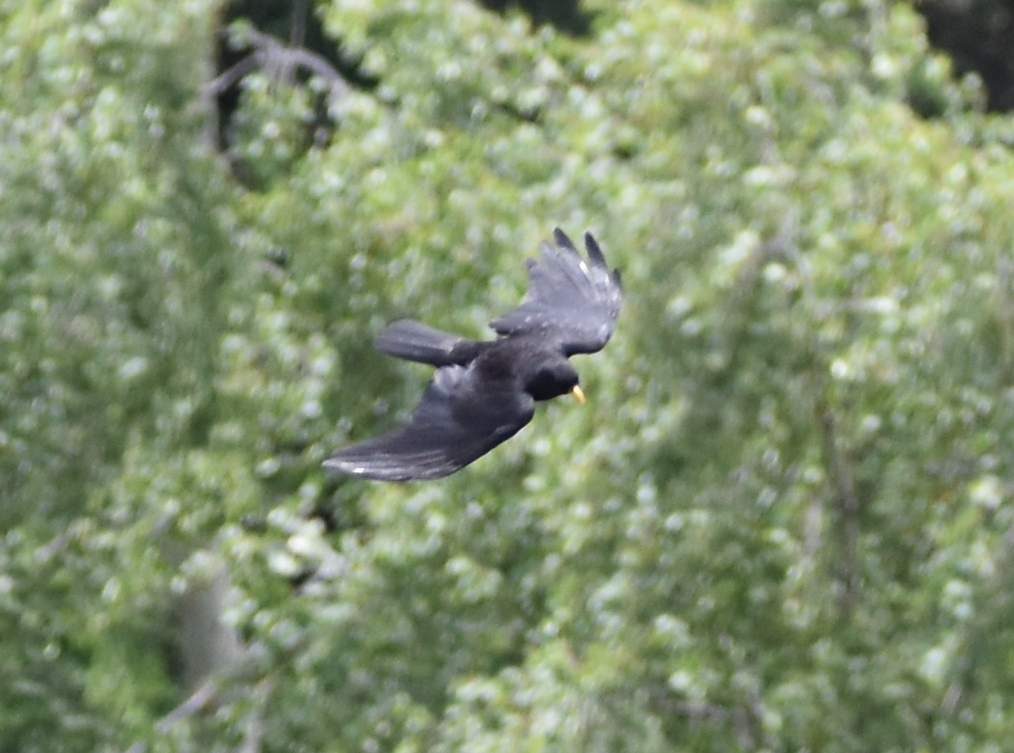
To identify probably alpendohle. 2022-05-22 12:42:04 Leuk
Zuerst beobachtet in 🇨🇭 an 2021-01-01.

Beschreibung

Allgemein: Als schwarzer Vogel mit gelbem Schnabel in den Alpen leicht zu erkennen. Ich habe sie auch in Schwanden (Ortsteil Thon) gesehen, direkt unter Vrenelisgärtli. Es heisst, bei Schnee fliegen sie tagsüber ins Tal aber abends wieder hoch.
Allgemein: Alpendohlen gibt's von den Kanaren bis in den Himalayen. In der Schweiz. Man kennt sie in den Schweizer Bergen.
Allgemein: Deutschland: Brut-, Jahresvogel RL R
Etymologie: [9][10] The English word "chough" was originally an alternative onomatopoeic name for the jackdaw, Corvus monedula, based on its call. [Link]
Vokalisierung: Diagnostic and very different from Red-billed Chough. A sharp, quite high-pitched, whistling trill "chreeeee". Usually alternated with pure-toned high-pitched whistles, falling abruptly in pitch with a "clipping" ending. [Link]

Saisonales Verhalten

Jahresvogel
Brut: 05-01 - 07-29
Weitere Infos at Vogelwarte.ch

Weitere Infos

Physikalische Details

Körperlich: Länge=38 cm, Flügelspanne=75-85 cm, Gewicht=188-252 g
Habitate: Berg

Vokalisierung

Gesang: Komischer Ton, ein Zirpen, oft in grossen Truppen.
Gesang Eigenschaften: Melody: nicht musikalisch, langsam, Frequency: medium (1-5 KHz)
Chirping, rather musical
XC512155 - Alpine Chough - Pyrrhocorax graculus - flight call recorded in Spain.

Quelle: XENOCANTO XC512155 - Alpine Chough - Pyrrhocorax graculus - flight call recorded in Spain.mp3 Spanien (Flugruf)


Ruf Eigenschaften: Flugruf Ruf Melodie: einfach rhythmisch, langsam, Frequenz: 2-7 KHz,
Vollprofil

Alpenkrähe / Red-billed chough (Pyrrhocorax pyrrhocorax)
Profil Wikipedia Vogelwarte BirdLife ZH ornitho.ch Xeno-Canto BirdID NABU YouTube
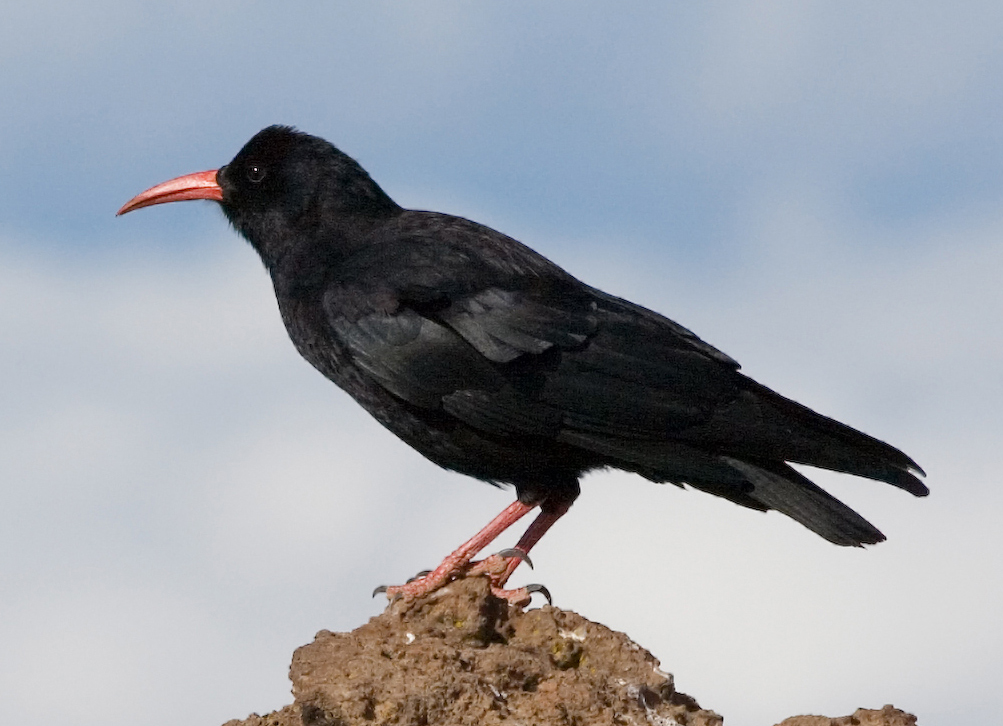

Wikipedia: Red-billed chough Quelle: WIKIPEDIA Pyrrhocorax_pyrrhocorax_-standing-8.jpg
🔍 Never observed (yet!)

Beschreibung

Etymologie: [6], "Chough" was originally an alternative onomatopoeic name for the jackdaw, Corvus monedula, based on its call. [Link]
Vokalisierung: Easily distinguished from the thin, trilling, whistling sounds of Alpine Chough. [Link]

Saisonales Verhalten

Jahresvogel
Brut: 04-01 - 07-10
Weitere Infos at Vogelwarte.ch

Weitere Infos

Physikalische Details

Körperlich: Länge=39-40 cm, Flügelspanne=73-90 cm, Gewicht=260-350 g
Habitate: Berg

Vokalisierung

Rufe: Ebird: Gives a variety of calls, including a loud “chaw!”, as well as higher-pitched gull-like mewing calls. [Link]
Call: A rapidly descending "keeaaaw", sometimes resembling a coarse jackdaw. At other times a more mewing sound, with similar coarseness, or a sharper, descending "kieew". [Link] 1: Higher-pitched falling graak.
2: No details but a Xeno-Canto recording.
XC417702 - Red-billed Chough - Pyrrhocorax pyrrhocorax - flight call recorded in Spain.

Quelle: XENOCANTO XC417702 - Red-billed Chough - Pyrrhocorax pyrrhocorax - flight call recorded in Spain.mp3 Spanien (Flugruf)


Ruf Eigenschaften: Ruf Melodie: nicht musikalisch, langsam, Frequenz: low (1-3 KHz), Spezielle Klänge: Krächzen.
Vollprofil

Gattung Cissa:
Gattung Ptilostomus:
Gattung Urocissa:
Gattung Oriolus:
Gattung Cnemophilus:
Gattung Loboparadisea:
Gattung Melampitta:
Gattung Artamus:
Gattung Cyanopica:
Gattung Platylophus:
Gattung Sphecotheres:
Gattung Podoces:
Gattung Zavattariornis:
Gattung Crypsirina:
Gattung Dendrocitta:
Gattung Platysmurus:
Gattung Temnurus:
Gattung Pityriasis:
Gattung Coracornis:
Gattung Hylocitrea:
Familie Vireonidae (Vireos):
Unterfamilie Cyclarhinae (Peppershrikes):
Gattung Cyclarhis:
Unterfamilie Vireoninae (Shrike-vireos):
Gattung Vireo:
Unterfamilie Vireolaniinae (Vireos and greenlets):
Gattung Vireolanius:
Gattung Hylophilus:
Familie Orthonychidae (Logrunners):
Gattung Orthonyx (Chowchillas):
Familie Malaconotidae:
Gattung Laniarius:
Gattung Telophorus:
Gattung Dryoscopus:
Gattung Malaconotus:
Gattung Tchagra:
Gattung Nilaus:
Gattung Rhodophoneus:
Gattung Chlorophoneus:
Familie Dicruridae:
Gattung Dicrurus:
Gattung Erythrocercus:
Gattung Machärirhynchus:
Familie Irenidae:
Gattung Chloropsis:
Gattung Irena:
Familie Callaeidae:
Gattung Calläas:
Gattung Heteralocha:
Gattung Philesturnus:
Unterfamilie Pachycephalidae (Whistlers):
Gattung Pachycephala:
Gattung Turnagra:
Gattung Colluricincla:
Gattung Pitohui:
Gattung Rhagologus:
Gattung Daphönositta:
Gattung Falcunculus:
Gattung Oreoica:
Gattung Aleadryas:
Gattung Eulacestoma:
Gattung Pachycare:
Gattung Pseudorectes:
Gattung Melanorectes:
Gattung Ornorectes:
Familie Cinclosomatidae:
Gattung Ptilorrhoa:
Gattung Eupetes:
Gattung Androphobus:
Gattung Psophodes:
Gattung Cinclosoma:
Gattung Ifrita:
Familie Vangidae:
Gattung Schetba:
Gattung Cyanolanius:
Gattung Oriolia:
Gattung Newtonia:
Gattung Leptopterus:
Gattung Vanga:
Gattung Euryceros:
Gattung Hypositta:
Gattung Falculea:
Gattung Tylas:
Gattung Artamella:
Gattung Xenopirostris:
Gattung Calicalicus:
Familie Monarchidae:
Gattung Terpsiphone:
Gattung Hypothymis:
Gattung Myiagra:
Gattung Trochocercus:
Gattung Pomarea:
Gattung Monarcha:
Gattung Grallina:
Gattung Chasiempis:
Gattung Arses:
Gattung Neolalage:
Gattung Clytorhynchus:
Gattung Mayrornis:
Gattung Metabolus:
Gattung Eutrichomyias:
Gattung Symposiachrus:
Gattung Carterornis:
Familie Prionopidae:
Gattung Prionops:
Gattung Tephrodornis:
Gattung Philentoma:
Unterfamilie Platysteiridae:
Gattung Platysteira:
Gattung Batis:
Gattung Bias:
Gattung Lanioturdus:
Gattung Pseudobias:
Gattung Dyaphorophyia:
Familie Campephagidae (Cuckooshrikes):
Gattung Coracina:
Gattung Campephaga:
Gattung Lalage:
Gattung Pericrocotus:
Gattung Hemipus:
Gattung Campochära:
Gattung Lobotos:
Gattung Cyanograucalus:
Gattung Edolisoma:

Familie Rhabdornithidae:

Gattung Rhabdornis:

Familie Thraupidae (Tanagers):

Gattung Ramphocelus:
Gattung Piranga:
Gattung Certhidea:
Gattung Geospiza:
Gattung Rhodinocichla:
Gattung Chlorophanes:
Gattung Chlorothraupis:
Gattung Chrysothlypis:
Gattung Cnemoscopus:
Gattung Conothraupis:
Gattung Creurgops:
Gattung Cypsnagra:
Gattung Dacnis:
Gattung Delothraupis:
Gattung Diglossa:
Gattung Eucometis:
Gattung Habia:
Gattung Hemithraupis:
Gattung Heterospingus:
Gattung Lamprospiza:
Gattung Lanio:
Gattung Mitrospingus:
Gattung Nemosia:
Gattung Nephelornis:
Gattung Oreomanes:
Gattung Phänicophilus:
Gattung Pyrrhocoma:
Gattung Sericossypha:
Gattung Spindalis:
Gattung Tachyphonus:
Gattung Thlypopsis:
Gattung Xenodacnis:
Gattung Camarhynchus:
Gattung Cöreba:
Gattung Tiaris:
Gattung Pinaroloxias:
Gattung Loxigilla:
Gattung Haplospiza:
Gattung Sporophila:
Gattung Volatinia:
Gattung Poospiza:
Gattung Saltatricula:
Gattung Phrygilus:
Gattung Coryphospingus:
Gattung Melanospiza:
Gattung Oryzoborus:
Gattung Catamenia:
Gattung Sicalis:
Gattung Conirostrum:
Gattung Catamblyrhynchus:
Gattung Acanthidops:
Gattung Euneornis:
Gattung Loxipasser:
Gattung Nesospingus:
Gattung Emberizoides:
Gattung Dolospingus:
Gattung Calyptophilus:
Gattung Nesospiza:
Gattung Amaurospiza:
Gattung Diglossopis:
Gattung Idiopsar:
Gattung Melanodera:
Gattung Trichothraupis:
Gattung Rhodospingus:
Gattung Compsothraupis:
Gattung Charitospiza:
Gattung Coryphaspiza:
Gattung Cyanicterus:
Gattung Incaspiza:
Gattung Iridophanes:
Gattung Orchesticus:
Gattung Piezorhina:
Gattung Urothraupis:
Gattung Xenospingus:
Unterfamilie Thraupinae:
Gattung Saltator:
Gattung Tangara:
Gattung Thraupis:
Gattung Anisognathus:
Gattung Buthraupis:
Gattung Calochätes:
Gattung Chlorochrysa:
Gattung Chlorornis:
Gattung Cissopis:
Gattung Dubusia:
Gattung Iridosornis:
Gattung Neothraupis:
Gattung Pipräidea:
Gattung Schistochlamys:
Gattung Paroaria:
Gattung Lophospingus:
Gattung Diuca:
Gattung Bangsia:
Gattung Stephanophorus:
Gattung Wetmorethraupis:
Gattung Gubernatrix:
Gattung Geospizopsis:
Gattung Castanozoster:
Gattung Microspingus:
Gattung Rhopospina:
Gattung Asemospiza:

Familie Stenostiridae:

Gattung Elminia:
Gattung Culicicapa:
Gattung Stenostira:
Gattung Chelidorhynx:

Familie Hypocolidae:

Gattung Hypocolius:

Familie Mohoidae:

Gattung Moho:
Gattung Chätoptila:

Familie Passerellidae:

Gattung Pipilo (Towhees):
Gattung Spizella:
Gattung Junco (Juncos):
Gattung Zonotrichia:
Gattung Passerella:
Gattung Melospiza:
Gattung Chlorospingus:
Gattung Atlapetes:
Gattung Ammodramus:
Gattung Arremonops:
Gattung Melozone:
Gattung Chondestes:
Gattung Passerculus:
Gattung Aimophila:
Gattung Calamospiza:
Gattung Amphispiza:
Gattung Poöcetes:
Gattung Arremon:
Gattung Pezopetes:
Gattung Pselliophorus:
Gattung Xenospiza:
Gattung Oriturus:
Gattung Torreornis:
Gattung Oreothraupis:
Gattung Kieneria:
Gattung Artemisiospiza:
Gattung Ammospiza:
Gattung Centronyx:
Gattung Spizelloides:
Gattung Rhynchospiza:

Familie Rhipiduridae:

Gattung Rhipidura:
Gattung Chätorhynchus:
Gattung Lamprolia:

Überfamilie Meliphagoidea:

Familie Meliphagidae (Honeyeaters):
Gattung Ptiloprora:
Gattung Lichenostomus:
Gattung Melidectes:
Gattung Manorina:
Gattung Macgregoria:
Gattung Meliphaga:
Gattung Melipotes:
Gattung Melithreptus:
Gattung Myzomela:
Gattung Philemon:
Gattung Ephthianura:
Gattung Acanthorhynchus:
Gattung Anthochära:
Gattung Ashbyia:
Gattung Certhionyx:
Gattung Conopophila:
Gattung Entomyzon:
Gattung Epthianura:
Gattung Foulehaio:
Gattung Glycichära:
Gattung Grantiella:
Gattung Lichmera:
Gattung Melilestes:
Gattung Plectorhyncha:
Gattung Prosthemadera:
Gattung Pycnopygius:
Gattung Ramsayornis:
Gattung Timeliopsis:
Gattung Trichodere:
Gattung Xanthotis:
Gattung Acanthagenys:
Gattung Phylidonyris:
Gattung Notiomystis:
Gattung Gymnomyza:
Gattung Anthornis:
Gattung Glyciphila:
Gattung Glycifohia:
Gattung Guadalcanaria:
Gattung Meliarchus:
Gattung Stresemannia:
Gattung Nesoptilotis:
Gattung Myza:
Gattung Melitograis:
Gattung Bolemoreus:
Gattung Caligavis:
Gattung Stomiopera:
Gattung Gavicalis:
Gattung Purnella:
Gattung Oreornis:
Gattung Ptilotula:
Gattung Cissomela:
Gattung Sugomel:
Familie Pardalotidae:
Gattung Pardalotus:
Familie Maluridae:
Gattung Malurus:
Gattung Amytornis:
Gattung Stipiturus:
Gattung Clytomyias:
Gattung Sipodotus:
Gattung Chenorhamphus:
Familie Acanthizidae:
Gattung Sericornis:
Gattung Acanthiza:
Gattung Aphelocephala:
Gattung Gerygone:
Gattung Smicrornis:
Gattung Mohoua:
Gattung Oreoscopus:
Gattung Acanthornis:
Gattung Pyrrholämus:
Gattung Calamanthus:
Gattung Origma:
Gattung Pycnoptilus:
Gattung Äthomyias:
Gattung Neosericornis:
Familie Dasyornithidae:
Gattung Dasyornis:

Familie Artamidae:

Gattung Gymnorhina:
Gattung Cracticus:
Gattung Strepera:
Gattung Peltops:
Gattung Melloria:

Familie Hyliotidae:

Gattung Hyliota:

Gattung Myzornis:

Gattung Neolestes:

Gattung Calyptura:

Gattung Poliolais:

Ordnung Charadriiformes (Regenpfeiferartige / Shorebirds and others):

Familie Laridae (Reiher / Gulls):

Unterfamilie Larinae (Möwen):
Gattung Larus:
Gattung Chroicocephalus:
Gattung Rissa:
Gattung Pinguinus:
Gattung Pagophila:
Gattung Gelochelidon:
Gattung Creagrus:
Gattung Xema:
Gattung Rynchops:
Gattung Chlidonias:
Gattung Anous:
Gattung Gygis:
Gattung Larosterna:
Gattung Phätusa:
Gattung Rhodostethia:
Gattung Leucophäus:
Gattung Hydroprogne:
Gattung Onychoprion:
Gattung Sternula:
Gattung Thalasseus:
Gattung Hydrocolöus:
Gattung Procelsterna:
Gattung Saundersilarus:
Gattung Ichthyätus:

Familie Charadriidae (Regenpfeifer):

Gattung Vanellus:
Gattung Hoplopterus:
Gattung Charadrius:
Gattung Elseyornis:
Gattung Oreopholus:
Gattung Thinornis:
Gattung Pluvialis:
Gattung Phegornis:
Gattung Pluvianellus:
Gattung Anarhynchus:
Gattung Erythrogonys:
Gattung Ibidorhyncha:
Gattung Peltohyas:

Familie Scolopacidae (Schnepfenvögel / Shorebirds):

Gattung Calidris:
Gattung Numenius (Curlews):
Gattung Arenaria (Turnstones):
Gattung Scolopax:
Waldschnepfe / Eurasian woodcock (Scolopax rusticola)
Profil Wikipedia Vogelwarte BirdLife ZH ornitho.ch bird-song.ch Xeno-Canto BirdID NABU YouTube


Wikipedia: Eurasian woodcock Quelle: WIKIPEDIA Woodcock_earthworm.jpg
🔍 Never observed (yet!)

Beschreibung

Allgemein: Deutschland: Brut-, Jahres-, Zugvogel, Wintergast RL V
Vokalisierung: Sometimes give a snipe-like hoarse "raaat" when flushed. Male display flight at night distinctive. [Link]

Saisonales Verhalten

Jahresvogel
Brut: 03-23 - 08-09
Migration rein: 02-20 - 05-01
Migration raus: 09-07 - 12-16
Weitere Infos at Vogelwarte.ch

Weitere Infos

Physikalische Details

Körperlich: Länge=33-35 cm, Flügelspanne=56-60 cm, Gewicht=131-420 g
Habitate: Wald
Vollprofil

Gattung Gallinago:
Gattung Lymnocryptes:
Gattung Limnodromus:
Gattung Limosa:
Gattung Tringa:
Gattung Xenus:
Gattung Actitis:
Gattung Phalaropus:
Gattung Aphriza:
Gattung Bartramia:
Gattung Cönocorypha:
Gattung Limicola:
Gattung Prosobonia:
Gattung Ächmorhynchus:

Unterfamilie Sterninae (Möwenverwandte / Terns):

Gattung Sterna:

Familie Turnicidae (Buttonquails):

Gattung Turnix:

Familie Alcidae (Alke):

Gattung Uria (Murres):
Gattung Aethia:
Gattung Alca:
Gattung Alle:
Gattung Brachyramphus:
Gattung Cepphus:
Gattung Cyclorrhynchus:
Gattung Fratercula:
Gattung Ptychoramphus:
Gattung Synthliboramphus:
Gattung Cerorhinca:

Familie Haematopodidae (Oystercatchers):

Gattung Hämatopus:

Familie Glareolidae (Brachschwalbenverwandte und Stercorariidae – Raubmöwen):

Gattung Glareola:
Gattung Cursorius:
Gattung Rhinoptilus:
Gattung Pluvianus:
Gattung Stiltia:

Familie Stercorariidae:

Gattung Stercorarius:

Familie Jacanidae (Jacanas):

Gattung Irediparra:
Gattung Jacana:
Gattung Actophilornis:
Gattung Hydrophasianus:
Gattung Metopidius:
Gattung Microparra:

Familie Burhinidae (Triele, Haematopodidae – Austernfischer und Recurvirostridae – Säbelschnäblerverwandte):

Gattung Burhinus:

Familie Rostratulidae:

Gattung Rostratula:
Gattung Nycticryphes:

Familie Chionididae:

Gattung Chionis:

Familie Pedionomidae:

Gattung Pedionomus:

Familie Recurvirostridae:

Gattung Recurvirostra:
Gattung Himantopus:
Gattung Cladorhynchus:

Familie Dromadidae:

Gattung Dromas:

Ordnung Gruiformes (Kranichvögel / Terrestrial and marshbirds):

Familie Rallidae (Rallen / Rails):

Gattung Fulica (Coots):
Gattung Rallus:
Gattung Gallinula:
Gattung Gallirallus:
Gattung Laterallus:
Gattung Megacrex:
Gattung Porphyrio:
Gattung Porzana:
Gattung Anurolimnas:
Gattung Aramides:
Gattung Amaurornis:
Gattung Sarothrura:
Gattung Crex:
Gattung Gallicrex:
Gattung Coturnicops:
Gattung Himantornis:
Gattung Rallina:
Gattung Pardirallus:
Gattung Nesoclopeus:
Gattung Canirallus:
Gattung Amaurolimnas:
Gattung Micropygia:
Gattung Eulabeornis:
Gattung Habroptila:
Gattung Aramidopsis:
Gattung Lewinia:
Gattung Dryolimnas:
Gattung Neocrex:
Gattung Diaphorapteryx:
Gattung Atlantisia:
Gattung Zapornia:
Gattung Mentocrex:
Gattung Nesotrochis:

Familie Gruidae (Cranes):

Gattung Grus:
Gattung Balearica:
Gattung Anthropoides:
Gattung Antigone:

Familie Aramidae (Limpkins):

Gattung Aramus:

Familie Psophiidae (Trumpeters):

Gattung Psophia:

Familie Aptornithidae:

Gattung Aptornis:

Familie Heliornithidae (Sungrebes):

Gattung Heliornis:
Gattung Podica:
Gattung Heliopais:

Familie Mesitornithidae:

Gattung Mesitornis:
Gattung Monias:

Familie Otididae (Bustards):

Gattung Ardeotis:
Gattung Otis:
Gattung Eupodotis:
Gattung Afrotis:
Gattung Neotis:
Gattung Chlamydotis:
Gattung Lissotis:
Gattung Tetrax:
Gattung Lophotis:

Familie Eurypygidae (Sunbitterns):

Gattung Eurypyga:

Familie Rhynochetidae (Kagu):

Gattung Rhynochetos:

Klasse Accipitriformes (Greifvögel / Hawks and eagles):

Familie Accipitridae (Habichtartige):

Unterfamilie Buteoninae (Bussardartige):
Gattung Buteo (Hawks):
Unterfamilie Accipitrinae (Bussardartige / True hawks):
Gattung Accipiter:
Gattung Ägypius:
Gattung Aquila:
Gattung Circus (Harriers):
Gattung Gyps:
Gattung Haliäetus:
Gattung Haliastur:
Gattung Polyboroides:
Gattung Trigonoceps:
Gattung Necrosyrtes:
Gattung Torgos:
Gattung Neophron:
Gattung Gypätus:
Bartgeier / Bearded vulture (Gypaetus barbatus)
Auch bekannt als: Lämmergeier
Profil Wikipedia Vogelwarte BirdLife ZH ornitho.ch Xeno-Canto BirdID NABU YouTube


Wikipedia: Bearded vulture Quelle: WIKIPEDIA 1200px-Bartgeier_Gypaetus_barbatus_front_Richard_Bartz.jpg
🔍 Never observed (yet!)

Beschreibung

Allgemein: Der Bartgeier (Gypaetus barbatus) oder Lämmergeier ist ein Greifvogel aus der Familie der Habichtartigen (Accipitridae). Er bildet die einzige Art der gleichnamigen Gattung (Gypaetus). Traditionell zählte er zur Unterfamilie der Altweltgeier (Aegypiinae), ehe er aufgrund molekulargenetischer Untersuchungen mit dem Schmutzgeier und dem Palmgeier in eine eigene Unterfamilie (Gypaetinae) gestellt wurde. [mehr]

Saisonales Verhalten

Jahresvogel
Brut: 01-01 - 08-18
Weitere Infos at Vogelwarte.ch

Weitere Infos

Physikalische Details

Körperlich: Länge=100-115 cm, Flügelspanne=266-282 cm, Gewicht=5000-7000 g
Habitate: Landwirtschaft
Vollprofil

Gattung Circätus:
Gattung Milvus:
Gattung Pernis:
Gattung Sarcogyps:
Gattung Gampsonyx:
Gattung Hieraätus:
Gattung Rostrhamus:
Gattung Elanoides:
Gattung Harpia:
Gattung Spilornis:
Gattung Spizätus:
Gattung Parabuteo:
Gattung Buteogallus:
Gattung Geranoätus:
Gattung Busarellus:
Gattung Morphnus:
Gattung Polemätus:
Gattung Spizastur:
Gattung Stephanoätus:
Gattung Henicopernis:
Gattung Aviceda:
Gattung Oroätus:
Gattung Ictinätus:
Gattung Harpagornis:
Gattung Elanus:
Gattung Gypohierax:
Gattung Eutriorchis:
Gattung Chondrohierax:
Gattung Leptodon:
Gattung Pithecophaga:
Gattung Leucopternis:
Gattung Hamirostra:
Gattung Ictinia:
Gattung Lophoictinia:
Gattung Terathopius:
Gattung Dryotriorchis:
Gattung Harpyopsis:
Gattung Lophätus:
Gattung Melierax:
Gattung Ichthyophaga:
Gattung Geranospiza:
Gattung Harpyhaliätus:
Gattung Butastur:
Gattung Harpagus:
Gattung Micronisus:
Gattung Macheiramphus:
Gattung Nisätus:
Gattung Urotriorchis:
Gattung Erythrotriorchis:
Gattung Megatriorchis:
Gattung Kaupifalco:
Gattung Clanga:
Gattung Lophotriorchis:

Familie Cathartidae:

Gattung Vultur:
Gattung Cathartes:
Gattung Coragyps:
Gattung Gymnogyps:
Gattung Sarcoramphus:

Familie Sagittariidae:

Gattung Sagittarius:

Familie Pandionidae (Fischadler):

Gattung Pandion:

Überordnung Palaeognathae:

Ordnung Casuariiformes (Emu and cassowaries):

Familie Casuariidae (Cassowaries):
Gattung Casuarius:
Familie Dromaiidae (Emus):
Gattung Dromaius:

Ordnung Rheiformes (Rheas):

Familie Rheidae:
Gattung Pterocnemia:
Gattung Rhea:

Ordnung Struthioniformes (Laufvögel / Ostriches):

Familie Struthionidae:
Gattung Struthio:
Familie Aepyornithidae:
Gattung Mullerornis:
Gattung Äpyornis:

Ordnung Tinamiformes (Tinamous):

Familie Tinamidae:
Gattung Eudromia:
Gattung Nothoprocta:
Gattung Rhynchotus:
Gattung Tinamus:
Gattung Crypturellus:
Gattung Nothura:
Gattung Tinamotis:
Gattung Nothocercus:

Ordnung Dinornithiformes (Moas):

Familie Emeidae:
Gattung Anomalopteryx:
Gattung Megalapteryx:
Gattung Pachyornis:
Gattung Emeus:
Gattung Euryapteryx:
Familie Dinornithidae:
Gattung Dinornis:

Ordnung Apterygiformes (Kiwis):

Familie Apterygidae:
Gattung Apteryx:

Infraklasse Neognathae:

Ordnung Ciconiiformes (Storchenvögel / Storks and others):

Familie Ciconiidae (Storks):
Gattung Ciconia:
Gattung Mycteria:
Gattung Leptoptilos:
Gattung Jabiru:
Gattung Ephippiorhynchus:
Gattung Anastomus:
Familie Scopidae:
Gattung Scopus:
Familie Balaenicipitidae:
Gattung Baläniceps:
Familie Pteroclidae:
Gattung Pterocles:
Gattung Syrrhaptes:
Familie Thinocoridae:
Gattung Thinocorus:
Gattung Attagis:

Ordnung Columbiformes (Taubenvögel / Pigeons and others):

Familie Columbidae (Pigeons):
Gattung Columba:
Gattung Streptopelia:
Gattung Zenaida:
Gattung Columbina:
Gattung Claravis:
Gattung Ducula:
Gattung Geopelia:
Gattung Geotrygon:
Gattung Goura:
Gattung Leptotila:
Gattung Leucosarcia:
Gattung Macropygia:
Gattung Metriopelia:
Gattung Öna:
Gattung Phapitreron:
Gattung Phaps:
Gattung Ptilinopus:
Gattung Scardafella:
Gattung Treron:
Gattung Geophaps:
Gattung Reinwardtöna:
Gattung Alectrönas:
Gattung Calönas:
Gattung Chalcophaps:
Gattung Didunculus:
Gattung Drepanoptila:
Gattung Ectopistes:
Gattung Gallicolumba:
Gattung Nesönas:
Gattung Ocyphaps:
Gattung Otidiphaps:
Gattung Turtur:
Gattung Gymnophaps:
Gattung Hemiphaga:
Gattung Petrophassa:
Gattung Patagiönas:
Gattung Henicophaps:
Gattung Lopholaimus:
Gattung Trugon:
Gattung Turacöna:
Gattung Uropelia:
Gattung Zentrygon:
Gattung Aplopelia:
Gattung Alopecönas:
Familie Raphidae:
Gattung Pezophaps:
Gattung Raphus:

Ordnung Coraciiformes (Rackenvögel / Kingfishers and others):

Familie Alcedinidae (Kingfishers):
Gattung Dacelo:
Gattung Alcedo:
Gattung Ceyx:
Gattung Halcyon:
Gattung Todiramphus:
Gattung Lacedo:
Gattung Pelargopsis:
Gattung Actenoides:
Gattung Cittura:
Gattung Syma:
Gattung Tanysiptera:
Gattung Melidora:
Gattung Clytoceyx:
Gattung Corythornis:
Gattung Caridonax:
Gattung Ispidina:
Familie Coraciidae:
Gattung Coracias:
Gattung Eurystomus:
Familie Cerylidae:
Gattung Chloroceryle:
Gattung Ceryle:
Gattung Megaceryle:
Familie Meropidae:
Gattung Merops:
Gattung Meropogon:
Gattung Nyctyornis:
Familie Momotidae:
Gattung Momotus:
Gattung Baryphthengus:
Gattung Hylomanes:
Gattung Electron:
Gattung Eumomota:
Gattung Aspatha:
Familie Todidae:
Gattung Todus:
Familie Brachypteraciidae:
Gattung Brachypteracias:
Gattung Atelornis:
Gattung Uratelornis:
Gattung Geobiastes:
Familie Leptosomidae:
Gattung Leptosomus:

Ordnung Cuculiformes (Kuckucke / Cuckoos and others):

Familie Cuculidae (Cuckoos):
Gattung Carpococcyx:
Gattung Eudynamys:
Gattung Scythrops:
Gattung Cuculus:
Gattung Phänicophäus:
Gattung Cacomantis:
Gattung Chrysococcyx:
Gattung Cercococcyx:
Gattung Clamator:
Gattung Surniculus:
Gattung Chalcites:
Gattung Coua:
Gattung Coccycua:
Gattung Hierococcyx:
Gattung Dasylophus:
Gattung Ceuthmochares:
Gattung Rhinortha:
Gattung Urodynamis:
Familie Crotophagidae:
Gattung Guira:
Gattung Crotophaga:
Familie Coccyzidae:
Gattung Piaya:
Gattung Coccyzus:
Gattung Saurothera:
Familie Centropidae:
Gattung Centropus:
Familie Neomorphidae:
Gattung Geococcyx:
Gattung Dromococcyx:
Gattung Neomorphus:
Gattung Tapera:

Ordnung Falconiformes (Falkenartige / Falcons and others):

Familie Falconidae:
Gattung Falco (Falcons):
Gattung Spiziapteryx:
Gattung Micrastur:
Gattung Milvago:
Gattung Polihierax:
Gattung Microhierax:
Gattung Herpetotheres:
Gattung Phalcobönus:
Gattung Daptrius:
Gattung Caracara:
Gattung Ibycter:

Ordnung Phönicopteriformes (Flamingos / Flamingos):

Familie Phoenicopteridae (Flamingos):
Gattung Phönicopterus:
Gattung Phönicoparrus:

Ordnung Piciformes (Spechtvögel / Woodpeckers and others):

Familie Picidae (Woodpeckers):
Gattung Colaptes:
Gattung Picoides:
Gattung Dendrocopos:
Gattung Dryocopus:
Gattung Piculus:
Gattung Veniliornis:
Gattung Sphyrapicus:
Gattung Picumnus:
Gattung Melanerpes:
Gattung Campephilus:
Gattung Picus:
Gattung Dendropicos:
Gattung Xiphidiopicus:
Gattung Jynx:
Gattung Campethera:
Gattung Blythipicus:
Gattung Celeus:
Gattung Chrysocolaptes:
Gattung Geocolaptes:
Gattung Sasia:
Gattung Meiglyptes:
Gattung Mulleripicus:
Gattung Dinopium:
Gattung Gecinulus:
Gattung Hemicircus:
Gattung Nesoctites:
Gattung Leiopicus:
Gattung Dryobates:
Gattung Chrysophlegma:
Gattung Chloropicus:
Gattung Ipophilus:
Gattung Verreauxia:
Gattung Micropternus:
Familie Ramphastidae:
Gattung Aulacorhynchus:
Gattung Andigena:
Gattung Baillonius:
Gattung Capito:
Gattung Eubucco:
Gattung Pteroglossus:
Gattung Ramphastos:
Gattung Selenidera:
Gattung Semnornis:
Gattung Pogonornis:
Familie Lybiidae:
Gattung Lybius:
Gattung Pogoniulus:
Gattung Trachyphonus:
Gattung Stactoläma:
Gattung Gymnobucco:
Gattung Tricholäma:
Gattung Buccanodon:
Familie Megalaimidae:
Gattung Megalaima:
Gattung Psilopogon:
Gattung Calorhamphus:
Familie Indicatoridae:
Gattung Indicator:
Gattung Melichneutes:
Gattung Melignomon:
Gattung Prodotiscus:

Ordnung Psittaciformes (Papageien / Parrots and others):

Familie Psittacidae (Parrots):
Gattung Ara:
Gattung Psittacula:
Gattung Amazona:
Gattung Aratinga:
Gattung Pionus:
Gattung Psittacus:
Gattung Neophema:
Gattung Pezoporus:
Gattung Platycercus:
Gattung Polytelis:
Gattung Strigops:
Gattung Anodorhynchus:
Gattung Cyanopsitta:
Gattung Deroptyus:
Gattung Guaruba:
Gattung Pyrrhura:
Gattung Micropsitta:
Gattung Psittrichas:
Gattung Agapornis:
Gattung Loriculus:
Gattung Forpus:
Gattung Cyanoramphus:
Gattung Eunymphicus:
Gattung Brotogeris:
Gattung Coracopsis:
Gattung Eclectus:
Gattung Nestor:
Gattung Poicephalus:
Gattung Psephotus:
Gattung Myiopsitta:
Gattung Diopsittaca:
Gattung Orthopsittaca:
Gattung Bolborhynchus:
Gattung Primolius:
Gattung Graydidascalus:
Gattung Aprosmictus:
Gattung Psittaculirostris:
Gattung Tanygnathus:
Gattung Pionopsitta:
Gattung Barnardius:
Gattung Gypopsitta:
Gattung Triclaria:
Gattung Hapalopsittaca:
Gattung Rhynchopsitta:
Gattung Cyanoliseus:
Gattung Pionites:
Gattung Alisterus:
Gattung Prioniturus:
Gattung Neopsephotus:
Gattung Purpureicephalus:
Gattung Enicognathus:
Gattung Prosopeia:
Gattung Nannopsittaca:
Gattung Psittacella:
Gattung Touit:
Gattung Bolbopsittacus:
Gattung Cyclopsitta:
Gattung Geoffroyus:
Gattung Leptosittaca:
Gattung Northiella:
Gattung Psilopsiagon:
Gattung Lathamus:
Gattung Psittinus:
Gattung Mascarinus:
Gattung Conuropsis:
Gattung Callocephalon:
Gattung Alipiopsitta:
Gattung Eupsittula:
Gattung Psittacara:
Gattung Pyrilia:
Gattung Ognorhynchus:
Familie Cacatuidae (Cockatoos):
Gattung Cacatua:
Gattung Nymphicus:
Gattung Calyptorhynchus:
Gattung Probosciger:
Gattung Eolophus:
Familie Psittaculidae:
Gattung Melopsittacus:
Tribus Loriini (Lories):
Gattung Lorius:
Gattung Charmosyna:
Gattung Glossopsitta:
Gattung Trichoglossus:
Gattung Vini:
Gattung Chalcopsitta:
Gattung Eos:
Gattung Neopsittacus:
Gattung Oreopsittacus:
Gattung Pseudeos:
Gattung Psitteuteles:
Gattung Phigys:
Gattung Psephotellus:

Ordnung Sphenisciformes (Penguins):

Familie Spheniscidae (Penguins):
Gattung Aptenodytes:
Gattung Eudyptes:
Gattung Pygoscelis:
Gattung Spheniscus:
Gattung Eudyptula:
Gattung Megadyptes:

Ordnung Gaviiformes (Seetaucher / Loons):

Familie Gaviidae (Loons):
Gattung Gavia:

Ordnung Opisthocomiformes (Hoatzins):

Familie Opisthocomidae (Hoatzins):
Gattung Opisthocomus:

Ordnung Podicipediformes (Lappentaucher / Grebes):

Familie Podicipedidae (Grebes):
Gattung Podilymbus:
Gattung Podiceps:
Gattung Ächmophorus:
Gattung Tachybaptus:
Gattung Rollandia:
Gattung Poliocephalus:

Ordnung Procellariiformes (Röhrennasen / Petrels and albatrosses):

Familie Procellariidae (Sturmvögel / Shearwaters and petrels):
Gattung Puffinus:
Gattung Fulmarus:
Gattung Daption:
Gattung Macronectes:
Gattung Pachyptila:
Gattung Procellaria:
Gattung Pterodroma:
Gattung Bulweria:
Gattung Calonectris:
Gattung Pagodroma:
Gattung Pseudobulweria:
Gattung Aphrodroma:
Gattung Halobäna:
Gattung Thalassoica:
Gattung Ardenna:
Familie Diomedeidae (Albatrosse):
Gattung Diomedea:
Gattung Phoebetria:
Gattung Thalassarche:
Gattung Phoebastria:
Familie Pelecanoididae:
Gattung Pelecanoides:
Unterfamilie Hydrobatidae (Sturmschwalben / Storm petrels):
Gattung Fregetta:
Gattung Pelagodroma:
Gattung Oceanodroma:
Gattung Garrodia:
Gattung Hydrobates:
Gattung Oceanites:
Gattung Nesofregetta:

Ordnung Strigiformes (Eulen / Owls):

Familie Strigidae:
Gattung Bubo (Eagle owls):
Gattung Strix:
Gattung Ägolius (Saw-whet owls):
Gattung Asio:
Gattung Otus:
Gattung Mimizuku:
Gattung Ninox:
Gattung Micrathene:
Gattung Surnia:
Gattung Glaucidium:
Gattung Lophostrix:
Gattung Pulsatrix:
Gattung Ciccaba:
Gattung Athene:
Gattung Ketupa:
Gattung Megascops:
Gattung Ptilopsis:
Gattung Pseudoscops:
Gattung Sceloglaux:
Gattung Heteroglaux:
Gattung Mascarenotus:
Gattung Scotopelia:
Gattung Nesasio:
Gattung Margarobyas:
Gattung Xenoglaux:
Gattung Uroglaux:
Gattung Pyrroglaux:
Gattung Jubula:
Familie Tytonidae (Barn owls):
Gattung Tyto:
Gattung Phodilus:

Ordnung Musophagiformes (Turacos):

Familie Musophagidae:
Gattung Tauraco:
Gattung Corythäola:
Gattung Corythaixoides:
Gattung Musophaga:
Gattung Crinifer:
Gattung Gallirex:
Gattung Ruwenzorornis:

Ordnung Trogoniformes (Trogons and quetzals):

Familie Trogonidae:
Gattung Trogon:
Gattung Apaloderma:
Gattung Euptilotis:
Gattung Harpactes:
Gattung Pharomachrus:
Gattung Priotelus:

Ordnung Bucerotiformes (Hornbills):

Familie Bucerotidae:
Gattung Anthracoceros:
Gattung Tockus:
Gattung Aceros:
Gattung Buceros:
Gattung Ceratogymna:
Gattung Penelopides (Tarictic hornbills):
Gattung Berenicornis:
Gattung Bycanistes:
Gattung Anorrhinus:
Gattung Rhyticeros:
Gattung Rhinoplax:
Gattung Tropicranus:
Gattung Ocyceros:
Familie Bucorvidae:
Gattung Bucorvus:

Ordnung Coliiformes (Mousebirds):

Familie Coliidae:
Gattung Colius:
Gattung Urocolius:

Ordnung Upupiformes (Hopf- und Hornvögel / Hoopoes and others):

Familie Upupidae:
Gattung Upupa:
Familie Phoeniculidae:
Gattung Phöniculus:
Familie Rhinopomastidae:
Gattung Rhinopomastus:

Ordnung Galbuliformes (Jacamars):

Familie Galbulidae:
Gattung Galbula:
Gattung Jacamerops:
Gattung Brachygalba:
Gattung Jacamaralcyon:
Familie Bucconidae:
Gattung Bucco:
Gattung Nystalus:
Gattung Nonnula:
Gattung Malacoptila:
Gattung Notharchus:
Gattung Monasa:
Gattung Chelidoptera:

Überordnung Galloanserae:

Ordnung Galliformes (Hühnervögel / Landfowls):
Familie Megapodiidae:
Gattung Megapodius:
Gattung Leipoa:
Gattung Äpypodius:
Gattung Alectura:
Gattung Eulipoa:
Gattung Macrocephalon:
Gattung Talegalla:
Familie Cracidae:
Gattung Ortalis:
Gattung Penelope:
Gattung Aburria:
Gattung Crax:
Gattung Penelopina:
Gattung Chamäpetes:
Gattung Mitu:
Gattung Nothocrax:
Gattung Oreophasis:
Gattung Pauxi:
Gattung Pipile:
Familie Numididae (Guineafowls):
Gattung Acryllium:
Gattung Guttera:
Gattung Numida:
Gattung Agelastes:
Familie Phasianidae (Turkeys):
Unterfamilie Phasianinae:
Gattung Gallus:
Gattung Lophophorus:
Gattung Lophura:
Gattung Pavo (Peafowls):
Gattung Phasianus:
Gattung Polyplectron:
Gattung Pucrasia:
Gattung Syrmaticus:
Gattung Tragopan:
Gattung Afropavo:
Gattung Argusianus:
Gattung Catreus:
Gattung Chrysolophus:
Gattung Crossoptilon:
Gattung Ithaginis:
Gattung Rheinardia:
Gattung Synoicus:
Unterfamilie Perdicinae:
Gattung Francolinus:
Gattung Perdix:
Gattung Alectoris:
Steinhuhn / Rock partridge (Alectoris graeca)
Alternative Klassifikation: Perdix graeca
Profil Wikipedia Vogelwarte BirdLife ZH ornitho.ch bird-song.ch Xeno-Canto BirdID NABU YouTube


Wikipedia: Rock partridge Quelle: WIKIPEDIA 1200px-Steinhuhn_Alectoris_graeca.jpg
🔍 Never observed (yet!)

Beschreibung

Das Steinhuhn (Alectoris graeca) ist eine Vogelart aus der Familie der Fasanenartigen (Phasianidae), die zur Ordnung der Hühnervögel (Galliformes) gehört. Es ist ein scheuer Bodenvogel, der geschickt und ausdauernd läuft und das gesamte Jahr über an steinigen, grasbewachsenen sonnigen Berghängen zu beobachten ist (meidet Nordlagen)[1]. Während des Winterhalbjahrs hält er sich in tieferen Lagen auf. [mehr]

Saisonales Verhalten

Jahresvogel
Brut: 05-21 - 08-09
Weitere Infos at Vogelwarte.ch

Weitere Infos

Habitate: Berg
Vollprofil

Gattung Bambusicola:
Gattung Coturnix:
Gattung Arborophila:
Gattung Rollulus:
Gattung Margaroperdix:
Gattung Tetraogallus:
Gattung Perdicula:
Gattung Xenoperdix:
Gattung Ptilopachus:
Gattung Dendroperdix:
Gattung Peliperdix:
Gattung Ammoperdix:
Gattung Scleroptila:
Gattung Tetraophasis:
Gattung Caloperdix:
Gattung Galloperdix:
Gattung Rhizothera:
Gattung Hämatortyx:
Gattung Tropicoperdix:
Gattung Pternistis:
Unterfamilie Meleagridinae:
Gattung Meleagris:
Unterfamilie Tetraoninae (Grouses):
Gattung Bonasa:
Gattung Centrocercus:
Gattung Tympanuchus:
Gattung Lagopus:
Alpenschneehuhn / Rock ptarmigan (Lagopus muta)
Profil Wikipedia Vogelwarte BirdLife ZH ornitho.ch bird-song.ch Audubon AllAboutBirds Xeno-Canto BirdID NABU YouTube
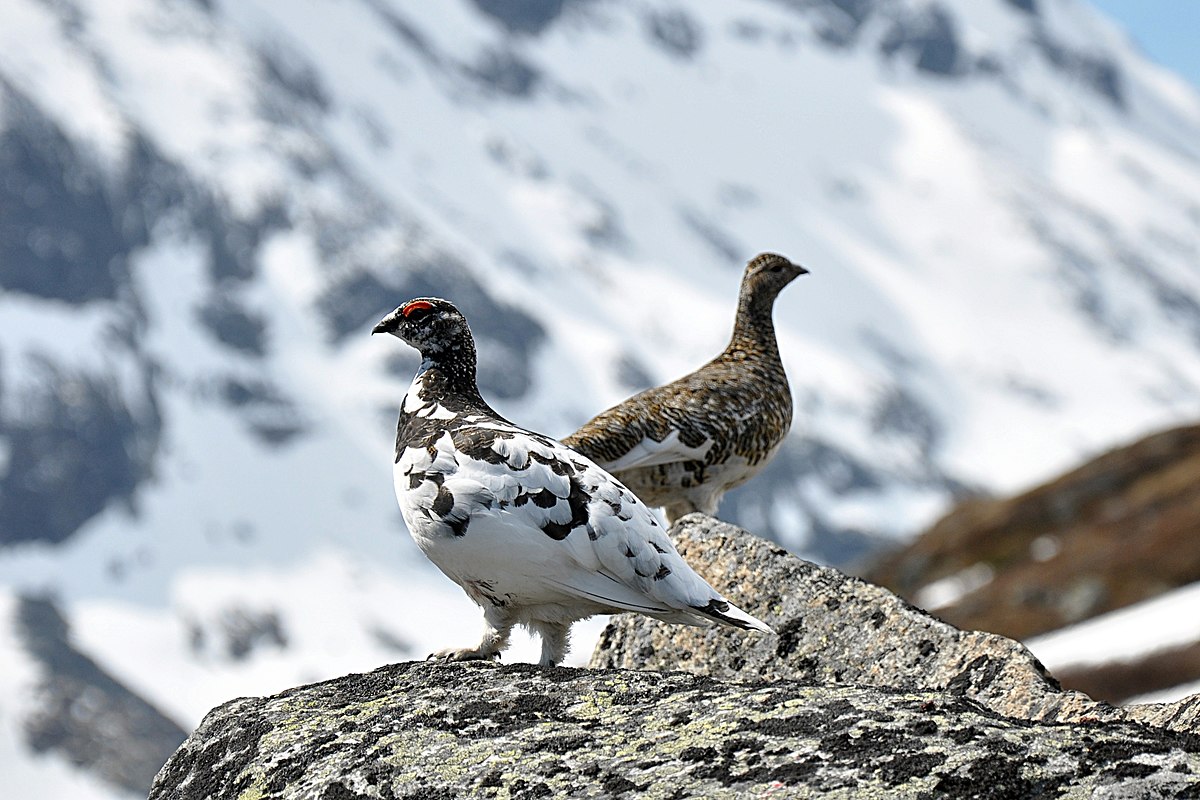

Wikipedia: Rock ptarmigan Quelle: WIKIPEDIA 1200px-Rock_Ptarmigan_%28Lagopus_Muta%29.jpg
🔍 Never observed (yet!)

Beschreibung

Geographie: Dieser Vogel erscheint jenseits grossen Meere in Kontinenten : Europa, Nordamerika.
Allgemein: Deutschland: Brut-, Jahresvogel RL R
Vokalisierung: Female has similar sounds, but is higher pitched and not so coarse as male. [Link]

Saisonales Verhalten

Jahresvogel
Brut: 05-01 - 08-09
Weitere Infos at Vogelwarte.ch

Weitere Infos

Physikalische Details

Körperlich: Länge=34-36 cm, Flügelspanne=54-60 cm, Gewicht=350-600 g
Habitate: Berg
Vollprofil

Gattung Dendragapus:
Gattung Tetrao:
Auerhuhn / Western capercaillie (Tetrao urogallus)
Profil Wikipedia Vogelwarte BirdLife ZH ornitho.ch Xeno-Canto NABU YouTube


Wikipedia: Western capercaillie Quelle: WIKIPEDIA 1200px-Tetrao_urogallus_Richard_Bartz.jpg
🔍 Never observed (yet!)

Beschreibung

Allgemein: Deutschland: Brut-, Jahresvogel RL 1
Vokalisierung: Display-sounds from male unmistakable. Then closing with grinding and hissing sounds. [Link]

Saisonales Verhalten

Jahresvogel
Brut: 05-01 - 07-20
Weitere Infos at Vogelwarte.ch

Weitere Infos

Physikalische Details

Körperlich: Länge=60-87 cm, Flügelspanne=87-125 cm, Gewicht=1500-5000 g
Habitate: Berg
Vollprofil

Gattung Falcipennis:
Gattung Tetrastes:
Haselhuhn / Hazel grouse (Tetrastes bonasia)
Alternative Klassifikation: Tetrao bonasia
Profil Wikipedia Vogelwarte BirdLife ZH ornitho.ch bird-song.ch Xeno-Canto BirdID NABU YouTube


Wikipedia: Hazel grouse Quelle: WIKIPEDIA Haselhuhn-01.jpg
🔍 Never observed (yet!)

Beschreibung

Allgemein: Deutschland: Brut-, Jahresvogel RL 2

Saisonales Verhalten

Jahresvogel
Brut: 04-11 - 07-20
Weitere Infos at Vogelwarte.ch

Weitere Infos

Physikalische Details

Körperlich: Länge=35-37 cm, Flügelspanne=48-54 cm, Gewicht=310-490 g
Habitate: Berg
Vollprofil

Gattung Lyrurus:
Birkhuhn / Black grouse (Lyrurus tetrix)
Alternative Klassifikation: Tetrao tetrix
Auch bekannt als: Eurasian black grouse
Profil Wikipedia Vogelwarte BirdLife ZH ornitho.ch bird-song.ch Xeno-Canto BirdID NABU YouTube


Wikipedia: Black grouse Quelle: WIKIPEDIA 1200px-Black_Grouse.jpg
🔍 Never observed (yet!)

Beschreibung

Allgemein: Deutschland: Brut-, Jahresvogel RL 2
Persönlich gemerkt: Rolf hat einen auf dem Amdener Höhenweg Mai 2023 gesehen, würde den gerne sehen!

Saisonales Verhalten

Jahresvogel
Brut: 05-21 - 07-10
Weitere Infos at Vogelwarte.ch

Weitere Infos

Habitate: Berg

Vokalisierung

Gesang: Song can be a rapid dove-like cooing that goes up, then repeats.
Gesang Eigenschaften: Melody: einfach rhythmisch, langsam, Frequency: 0-1 KHz
Quelle: XENOCANTO XC731604 - Black Grouse - Lyrurus tetrix.mp3 (Gesang)


Vollprofil

Gattung Lerwa:
Gattung Melanoperdix:
Gattung Anurophasis:
Familie Odontophoridae (American quails):
Gattung Callipepla:
Gattung Colinus:
Gattung Cyrtonyx:
Gattung Oreortyx:
Gattung Odontophorus:
Gattung Philortyx:
Gattung Dactylortyx:
Gattung Dendrortyx:
Gattung Rhynchortyx:

Ordnung Cariamiformes (Seriamas):

Familie Cariamidae (Seriemas):
Gattung Cariama:
Gattung Chunga:

Ordnung Apodiformes (Segler / Swifts and hummingbirds):

Familie Apodidae (Swifts):
Unterfamilie Hemiprocninae (Tree swifts):
Gattung Hemiprocne:
Unterfamilie Cypseloidinae:
Gattung Cypseloides:
Gattung Streptoprocne:
Unterfamilie Apodinae:
Gattung Apus:
Gattung Chätura:
Gattung Ärodramus:
Gattung Collocalia:
Gattung Cypsiurus:
Gattung Hydrochous:
Gattung Äronautes:
Gattung Hirundapus:
Gattung Tachornis:
Gattung Raphidura:
Gattung Neafrapus:
Gattung Tachymarptis:
Familie Trochilidae (Hummingbirds):
Gattung Calypte:
Gattung Selasphorus:
Gattung Phäthornis:
Gattung Agläactis:
Gattung Cöligena:
Gattung Eriocnemis:
Gattung Lafresnaya:
Gattung Lesbia:
Gattung Metallura:
Gattung Oreonympha:
Gattung Oreotrochilus:
Gattung Sephanoides:
Gattung Amazilia:
Gattung Chlorostilbon:
Gattung Chalcostigma:
Gattung Heliangelus:
Gattung Orthorhyncus:
Gattung Anthracothorax:
Gattung Heliomaster:
Gattung Hylocharis:
Gattung Eupetomena:
Gattung Eulampis:
Gattung Glaucis:
Gattung Archilochus:
Gattung Discosura:
Gattung Eutoxeres:
Gattung Heliothryx:
Gattung Lampornis:
Gattung Thalurania:
Gattung Cyanophaia:
Gattung Androdon:
Gattung Colibri:
Gattung Doryfera:
Gattung Ramphodon:
Gattung Threnetes:
Gattung Atthis:
Gattung Calothorax:
Gattung Adelomyia:
Gattung Aglaiocercus:
Gattung Campylopterus:
Gattung Chrysuronia:
Gattung Elvira:
Gattung Ensifera:
Gattung Florisuga:
Gattung Haplophaedia:
Gattung Heliactin:
Gattung Heliodoxa:
Gattung Klais:
Gattung Lepidopyga:
Gattung Lophornis:
Gattung Myrtis:
Gattung Ocreatus:
Gattung Panterpe:
Gattung Patagona:
Gattung Philodice:
Gattung Phlogophilus:
Gattung Polyplancta:
Gattung Pterophanes:
Gattung Schistes:
Gattung Taphrospilus:
Gattung Topaza:
Gattung Urosticte:
Gattung Eugenes:
Gattung Hylonympha:
Gattung Lamprolaima:
Gattung Aphantochroa:
Gattung Calliphlox:
Gattung Chätocercus:
Gattung Chalybura:
Gattung Chrysolampis:
Gattung Damophila:
Gattung Eupherusa:
Gattung Microchera:
Gattung Opisthoprora:
Gattung Oxypogon:
Gattung Polytmus:
Gattung Ramphomicron:
Gattung Urochroa:
Gattung Rhodopis:
Gattung Cynanthus:
Gattung Sappho:
Gattung Stephanoxis:
Gattung Avocettula:
Gattung Anthocephala:
Gattung Leucippus:
Gattung Microstilbon:
Gattung Myrmia:
Gattung Polyonymus:
Gattung Taphrolesbia:
Gattung Thaumastura:
Gattung Anopetia:
Gattung Boissonneaua:
Gattung Clytoläma:
Gattung Trochilus:
Gattung Eulidia:
Gattung Doricha:
Gattung Tilmatura:
Gattung Augastes:
Gattung Abeillia:
Gattung Goethalsia:
Gattung Goldmania:
Gattung Leucochloris:
Gattung Loddigesia:
Gattung Mellisuga:

Ordnung Caprimulgiformes (Schwalmvögel / Nightjars and others):

Familie Podargidae (Frogmouths):
Gattung Podargus:
Gattung Rigidipenna:
Familie Eurostopodidae:
Gattung Eurostopodus:
Familie Aegothelidae:
Gattung Ägotheles:
Gattung Euägotheles:
Familie Batrachostomatidae:
Gattung Batrachostomus:
Familie Caprimulgidae:
Unterfamilie Caprimulginae:
Gattung Caprimulgus:
Gattung Phalänoptilus:
Gattung Nyctiphrynus:
Gattung Uropsalis:
Gattung Nyctidromus:
Gattung Macrodipteryx:
Gattung Eleothreptus:
Gattung Hydropsalis:
Unterfamilie Chordeilinae:
Gattung Chordeiles:
Gattung Podager:
Gattung Lurocalis:
Gattung Nyctiprogne:
Gattung Siphonorhis:
Gattung Gactornis:
Gattung Nyctipolus:
Gattung Setopagis:
Gattung Antrostomus:
Gattung Systellura:
Gattung Lyncornis:
Familie Nyctibiidae:
Gattung Nyctibius:
Familie Steatornithidae:
Gattung Steatornis:
Anzahl beobachtet: 18. Bei Land sind das: Schweiz 15, Italien 2, Spanien 1.